Our Coffee Beans
Ethically Sourced From Across The World
City Bean Roasters sources coffee from across the world. We’re focused on finding the best coffee beans while also prioritizing farms that take care of the Earth and the families that work with them.
Featured Beans
Central America
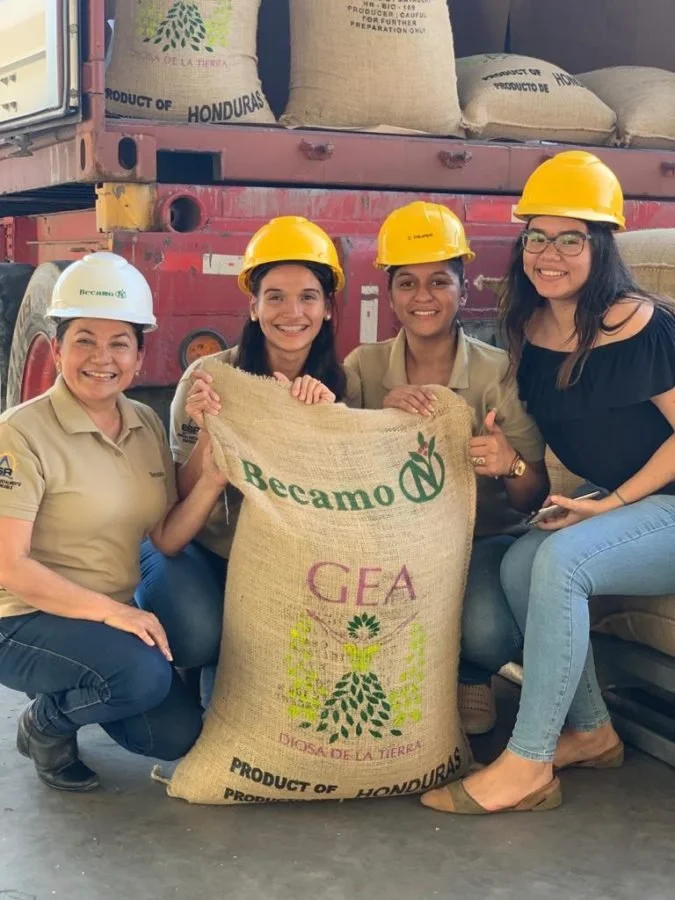
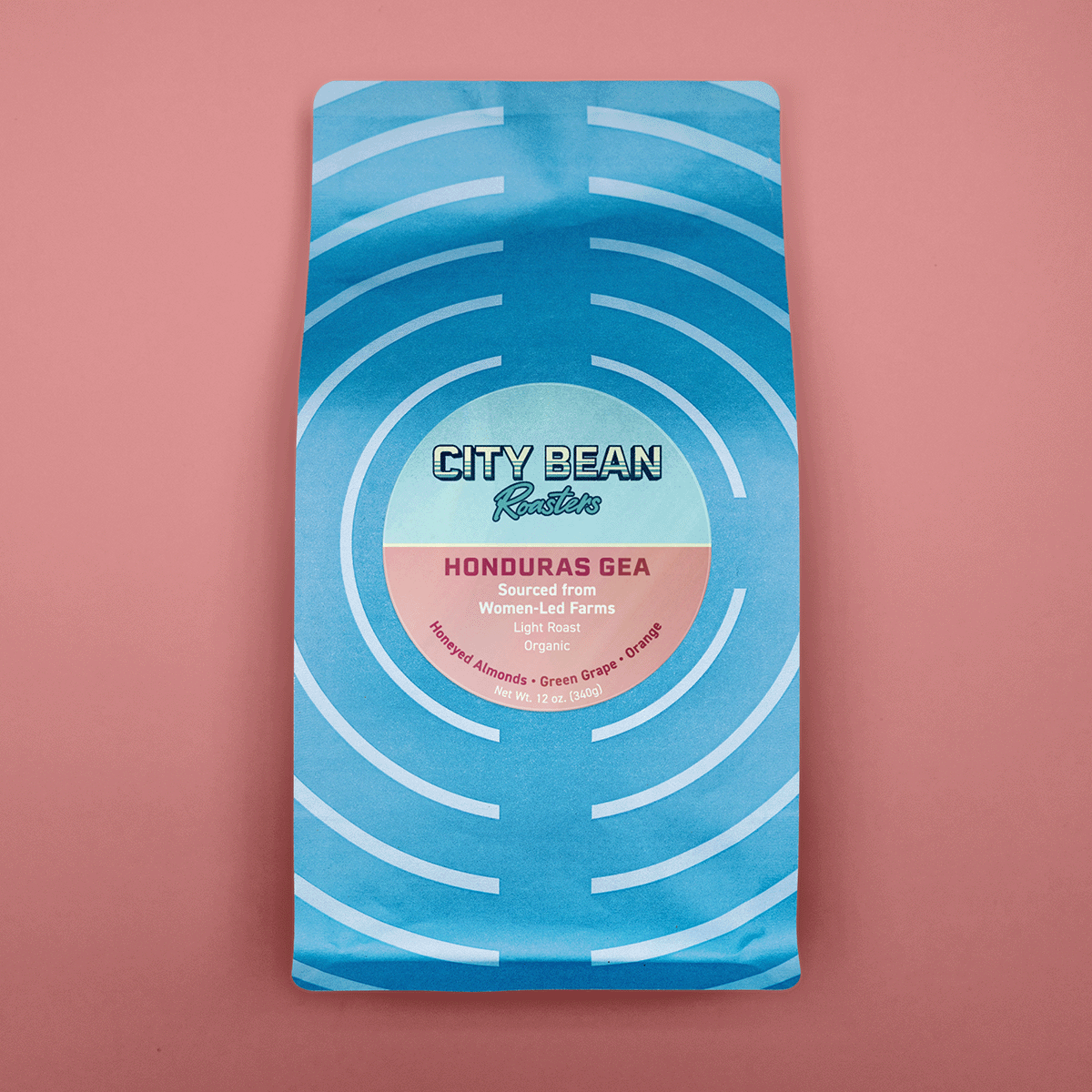
Honduras GEA - Organic from NKG
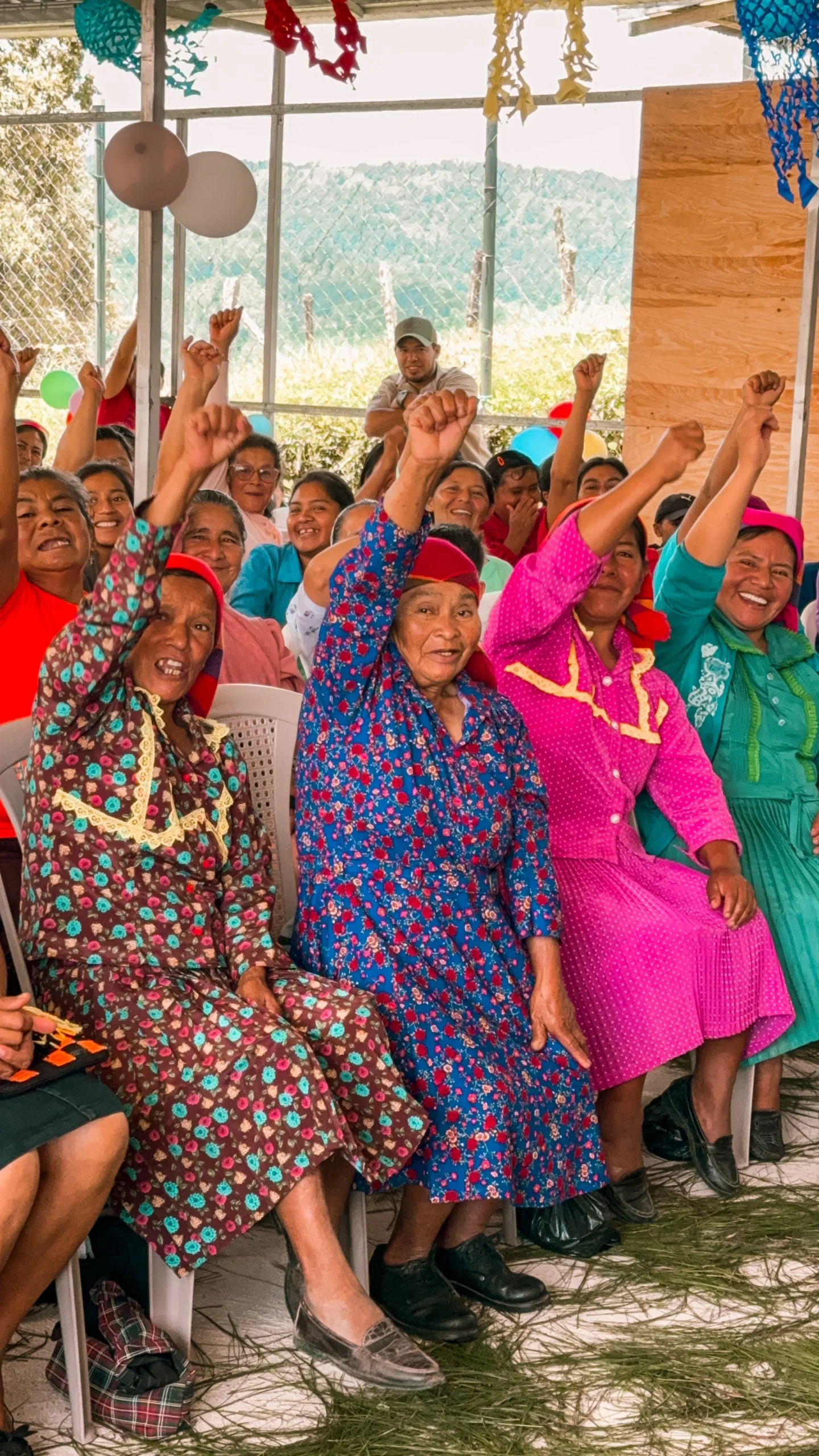
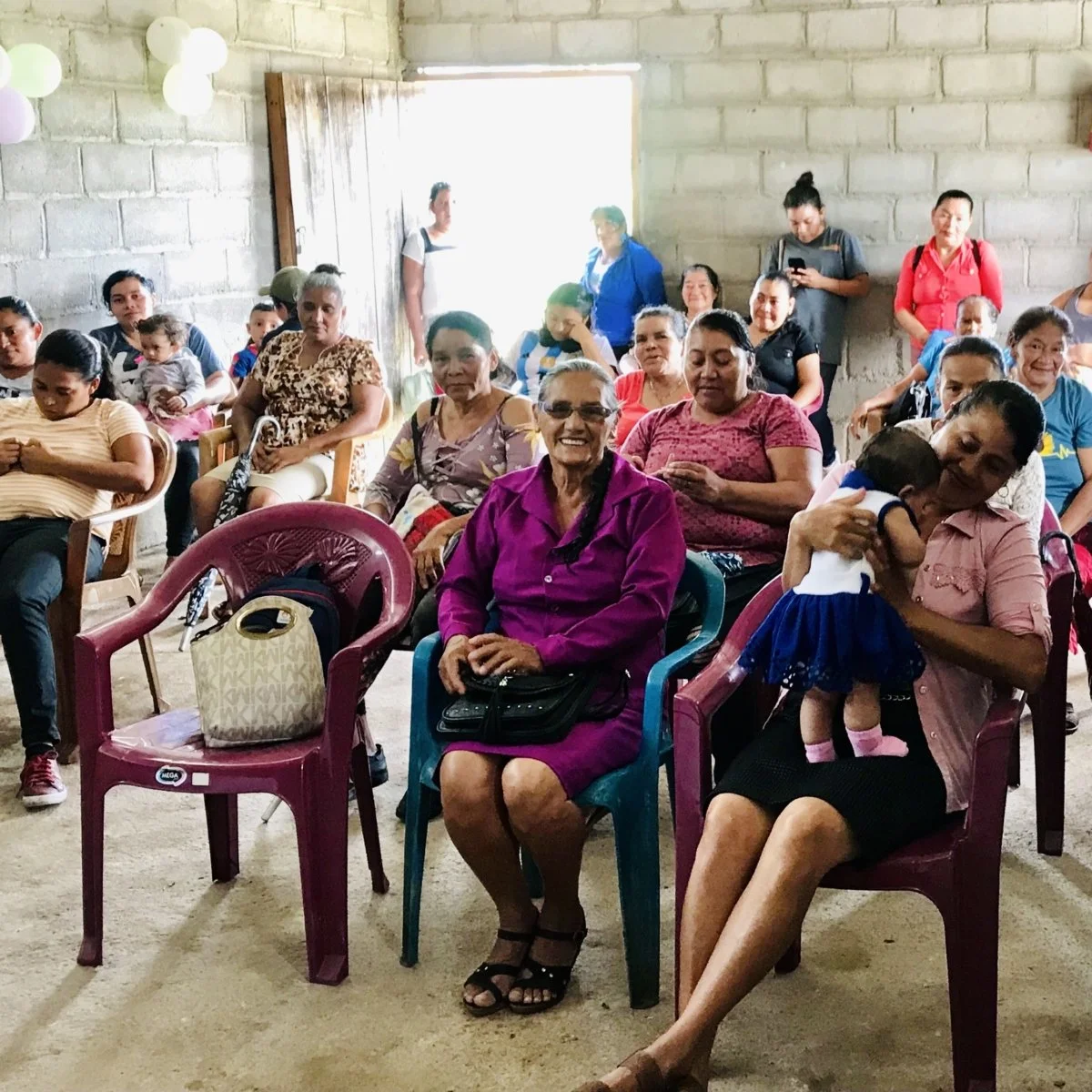
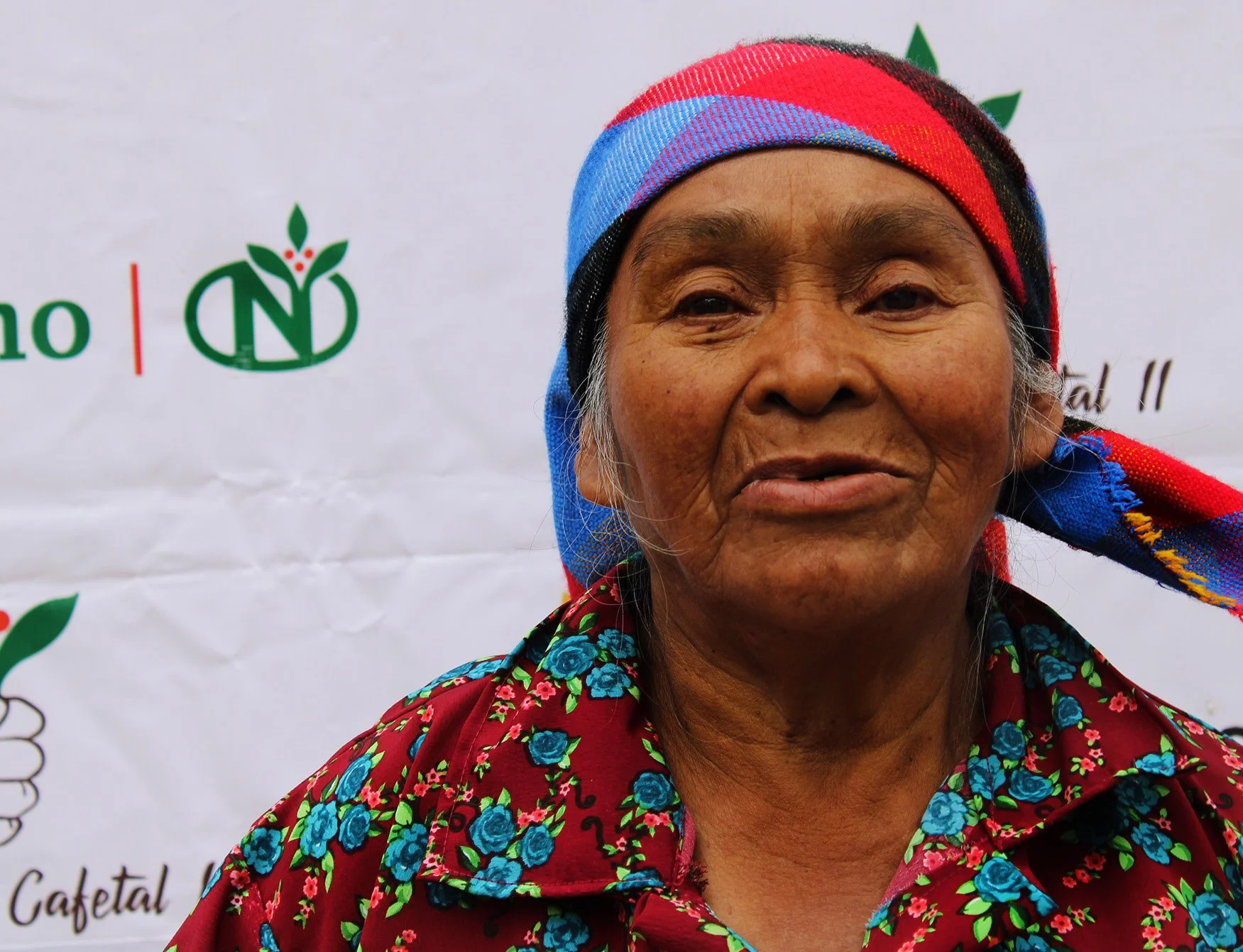
This regional blend was grown by over 400 women producers. They have found that planting trees with the coffee increases the shade and soil moisture. Their crops are brought to us by Nuemann Kaffee Grouppe exporter Becamo. NKG Bloom provides market and farming assistance to these women and other farmers across 10 countries.
Try It Out!
NEW CROP
In Greek mythology, Gea is the goddess of the Earth and the mother of all creation. Neumann Kaffee Gruppe (NKG) exporter Becamo created this regional blend from the coffees of more than 300 women producers—and gave it a name that “embodies the determined spirit of women."
Women producers—whether because a partner passed away or migrated, or out of a pure passion for coffee—absolutely seize the opportunities that coffee presents, says Becamo. They rise before dawn to care for children and elders and tend to housekeeping, all before heading to the fields. And they create opportunities and resources for one another, lending a hand during harvest, offering advice and bringing a notable attention to detail to their drying and milling.
This fully washed coffee was directly sourced from women producers in the Lempira and Ocotepeque regions, many of whom were part of Becamo’s Recuperando mi Cafetal (RMC) program, which has since been expanded and is now part of NKG BLOOM.
Roast: light
Tasting Notes: honeyed almonds, green grape, orange
Espresso Recipe:
18g in / 40g out / 24 seconds
9 Bar | TDS: 9.8 | Extraction: 21.78%
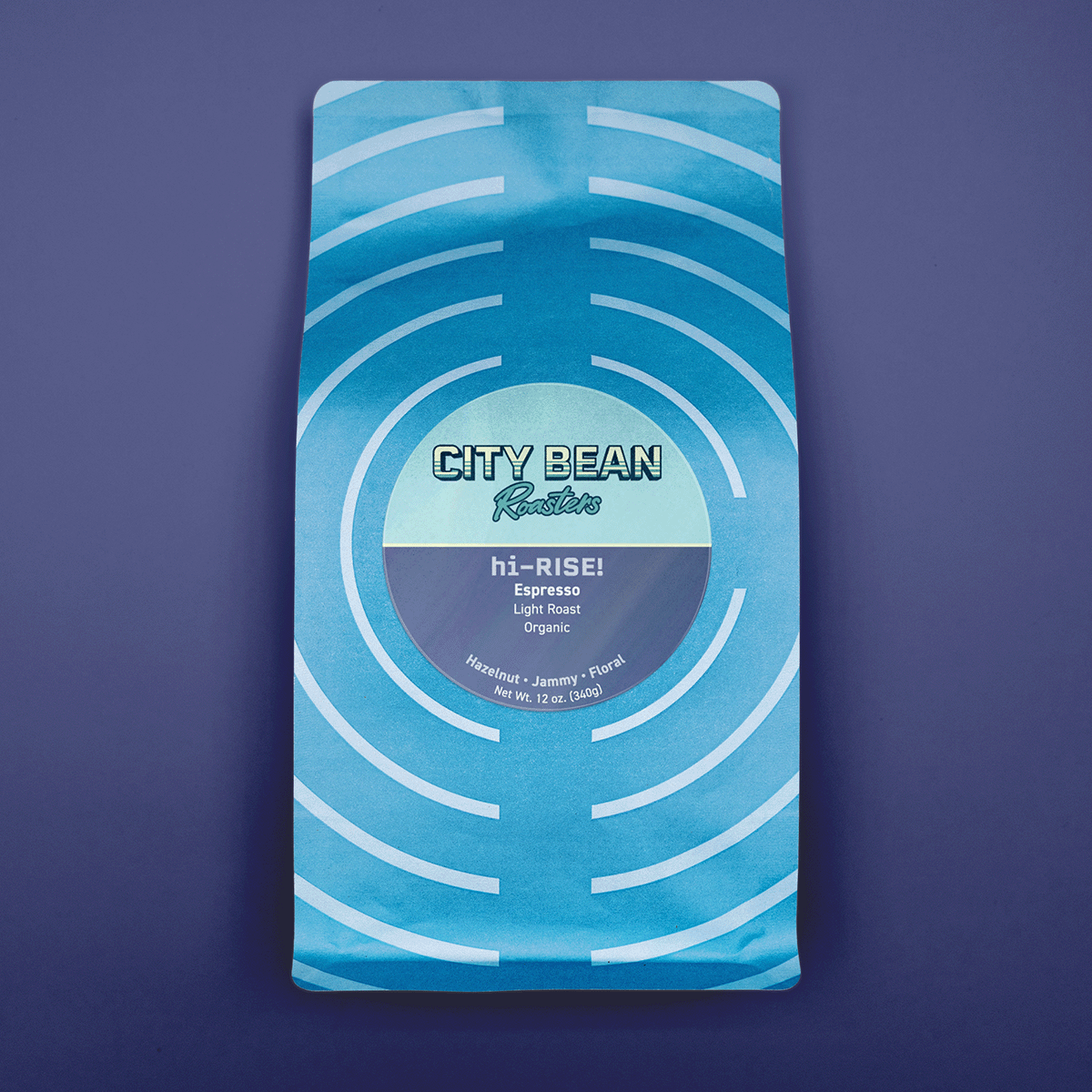
A versatile organic light roast blend; expect a balance of sweetness and acidity.
Roast: light
Tasting Notes: hazelnut, jammy, floral, clean & balanced
Espresso Recipe:
17g in / 51g out / 30 seconds
9 Bar Pressure | TDS: 7.5 | Extraction: 22.50%
Let’s Brew
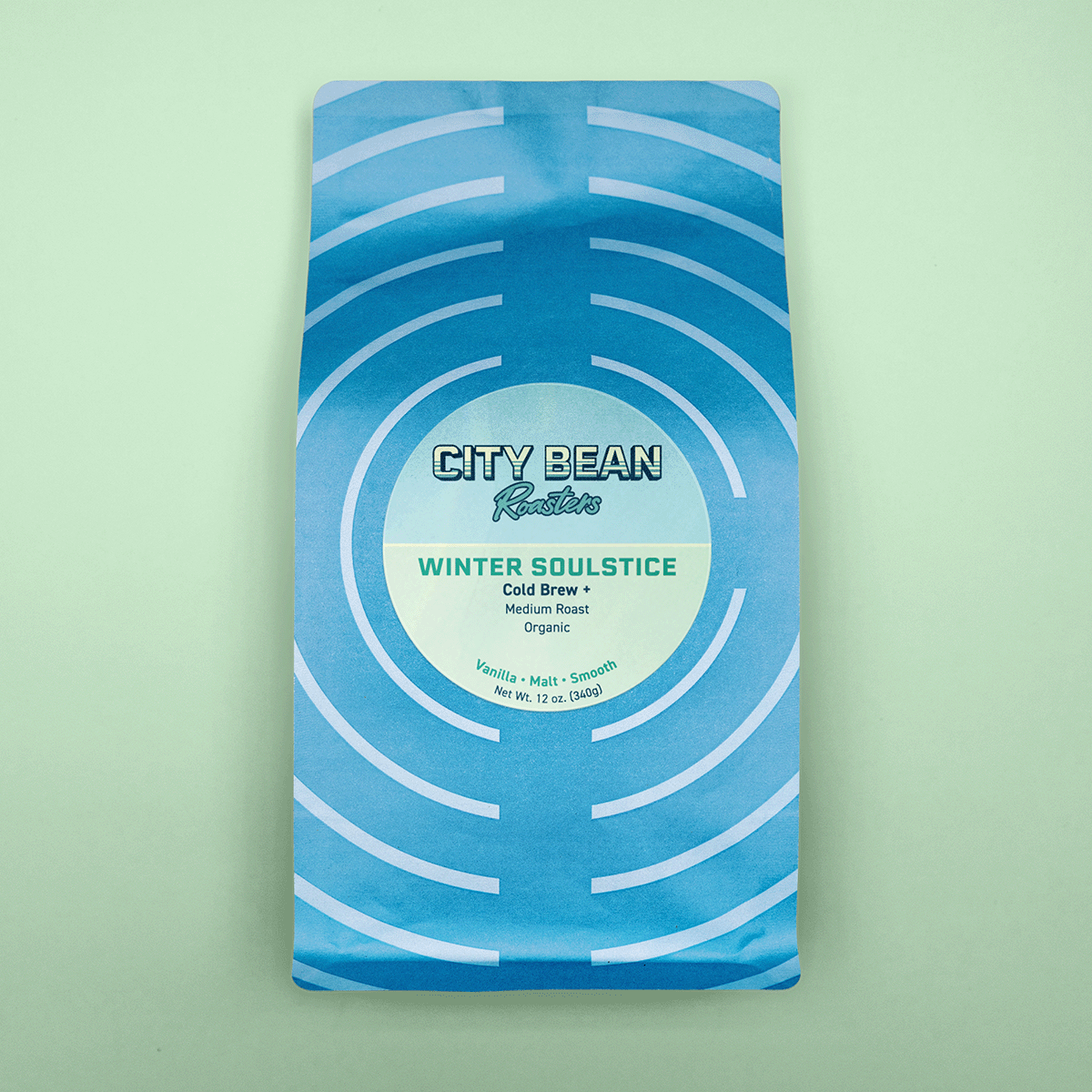
Cool your body while you warm your soul. This refreshing blend of coffees from both hemispheres is crafted with cold brew in mind - but versatile enough to taste great with every brew method.
Roast: medium
Tasting notes: vanilla, malt, smooth
Espresso Recipe:
18g in / 38g out / 28 seconds
9 Bar Pressure | TDS: 9.5 | Extraction: 20.06%
Guatemala HueHue - Organic from ASDECAFE
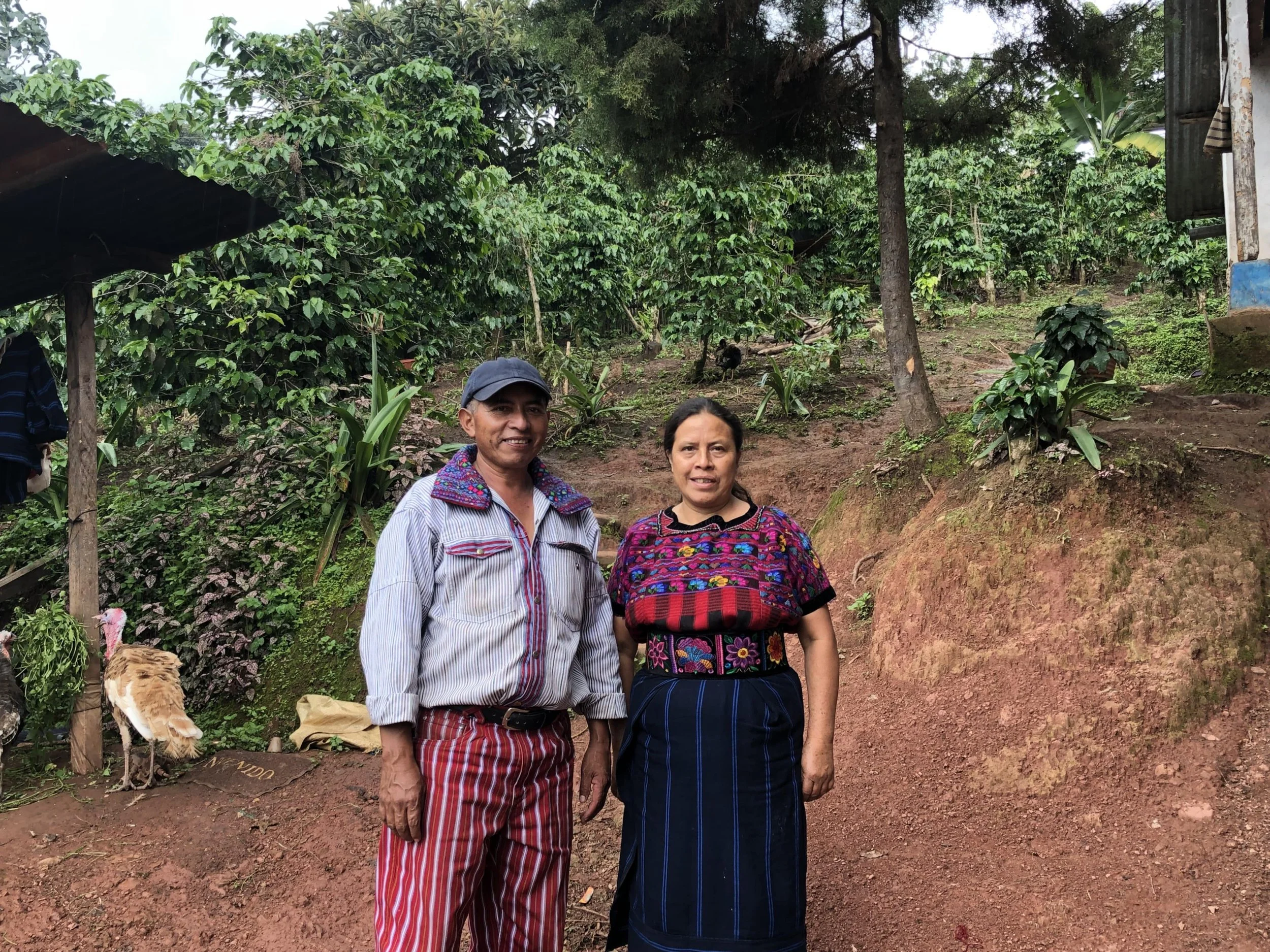
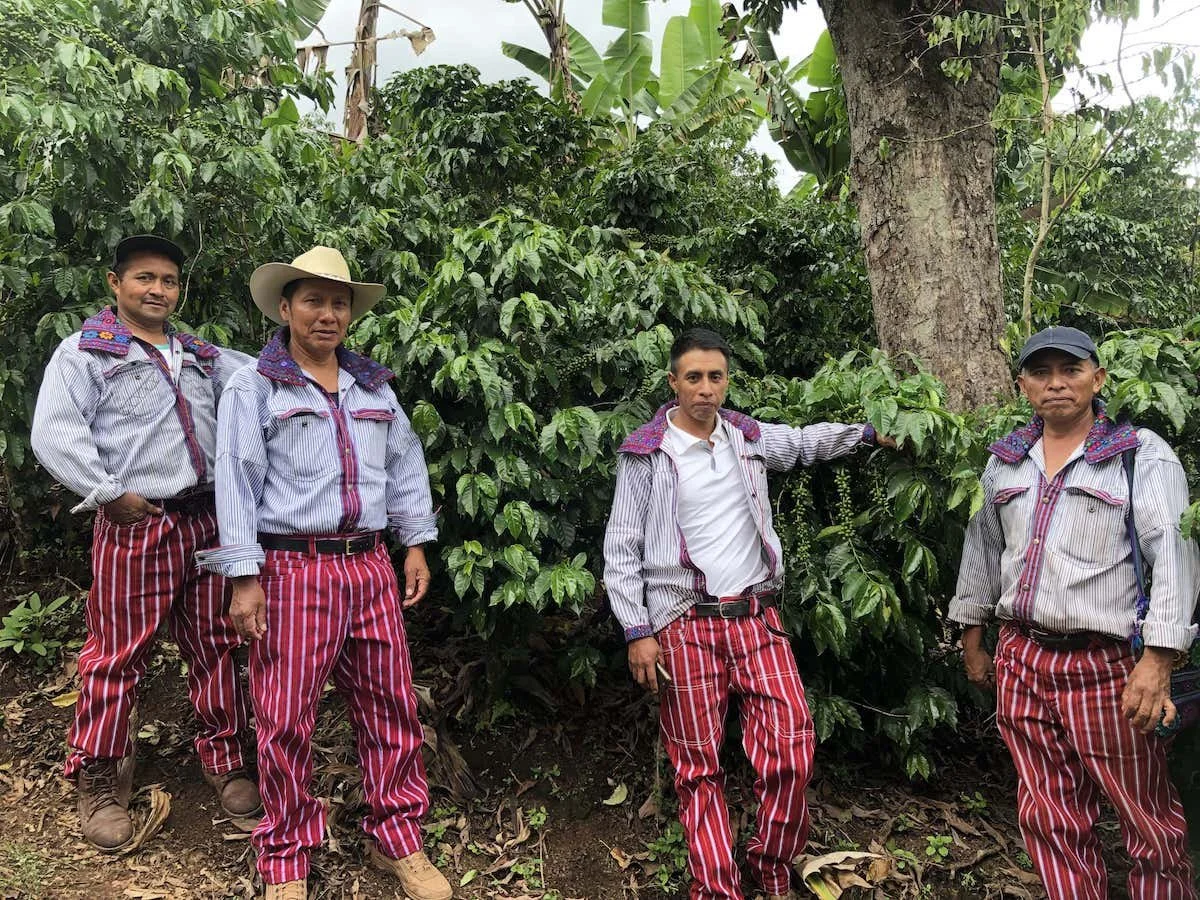
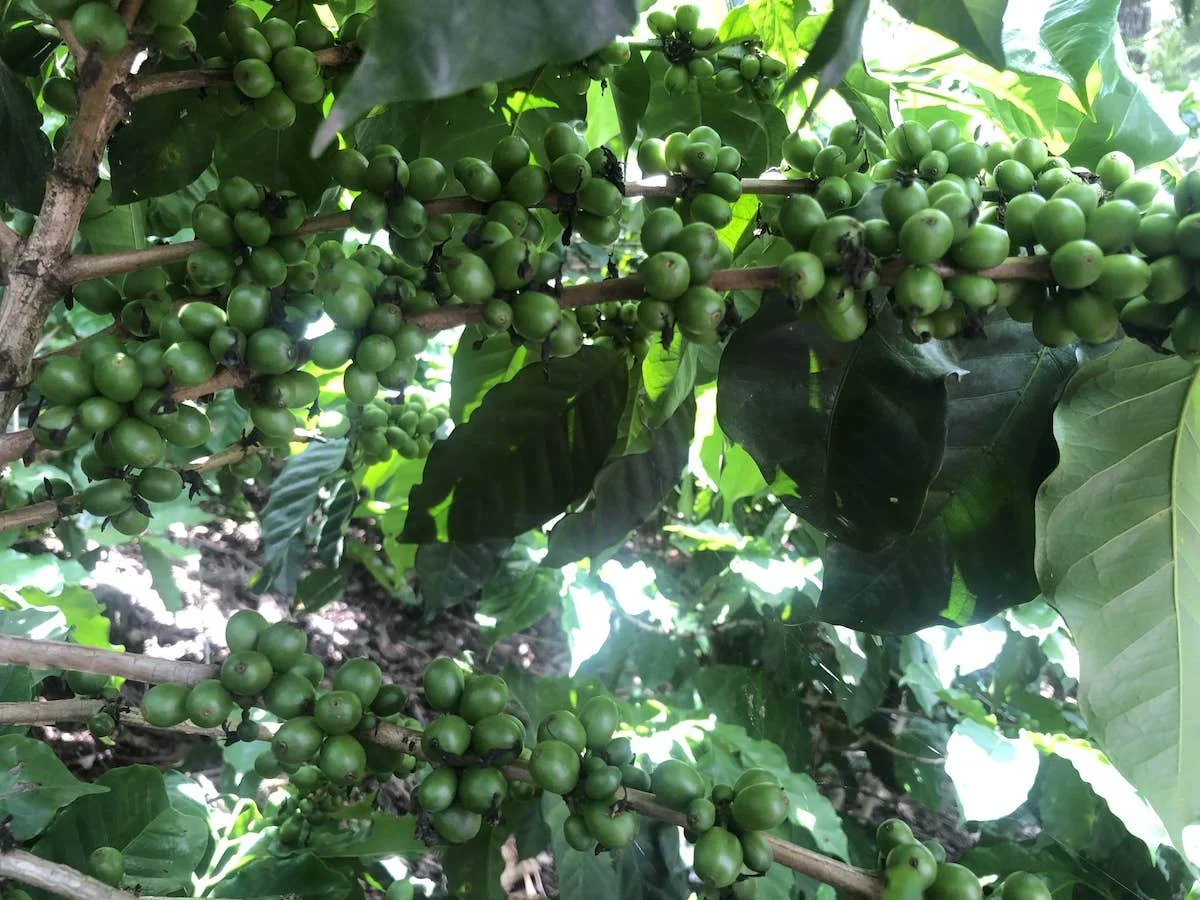
La Asociacion Sostenible de Café de Guatemala, ASDECAFE, is certified organic. It supports sustainability, equitable distribution of income, transparency, and environmental protections. It is able to achieve this by being a second level coffee association that helps its 1,000 producers through splitting fees and providing coffee farm service. ASDECAFE farms can be found across Huehuetenango and El Quiche.
Find It Here!
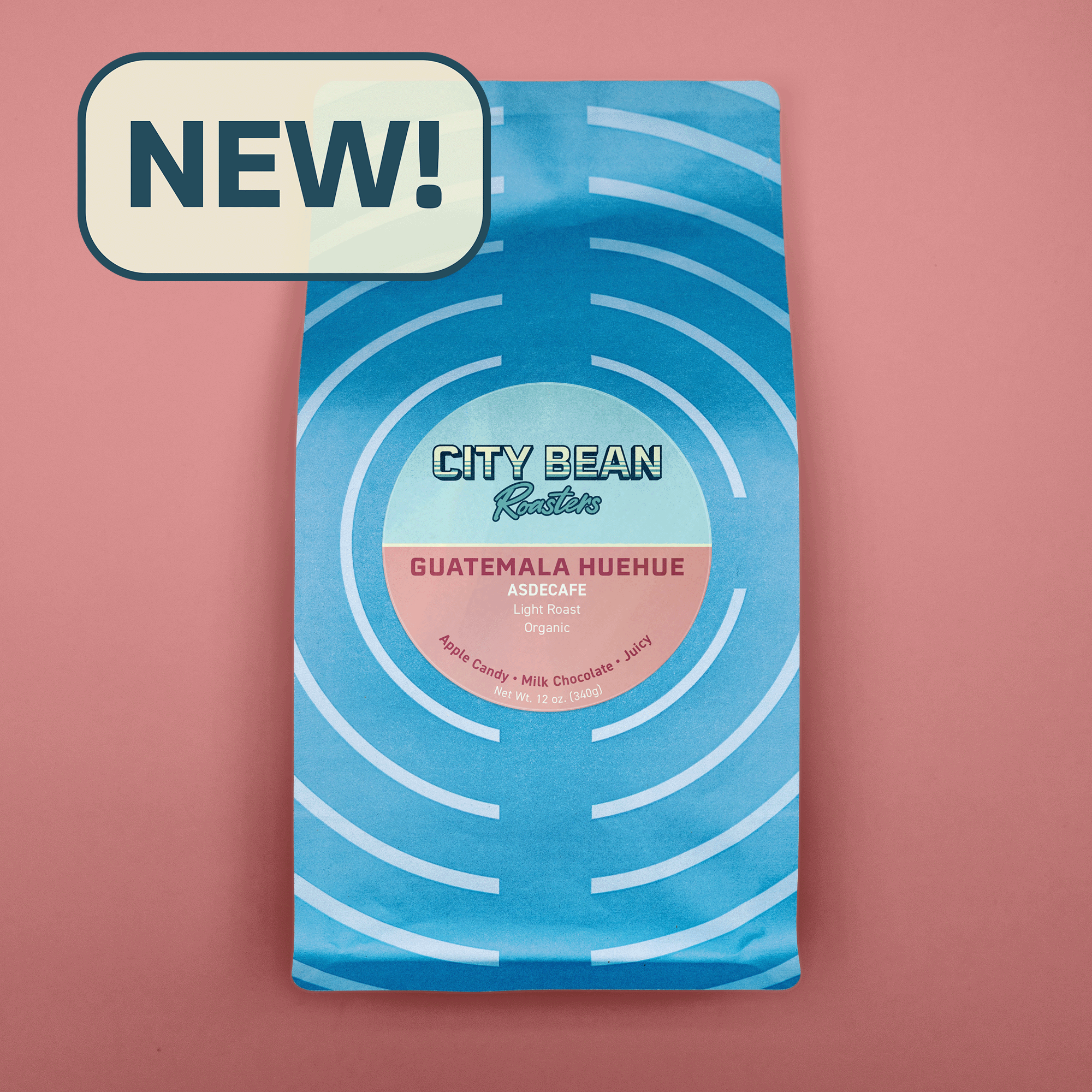
You may be familiar with Huehuetenango, one of the 8 coffee growing regions in Guatemala. La Asociacion Sostenible de Café de Guatemala (ASDECAFE) is a sustainable, second-level coffee association. It was founded in September 2013 by six small, first-level producer organizations and today includes six co-ops in the regions of Huehuetenango and El Quiche.
Roast: light
Tasting Notes: apple candy, milk chocolate, juicy
Espresso Recipe:
18g in / 40g / 28 seconds
9 Bar Pressure | TDS: 9.8 | Extraction: 21.78%
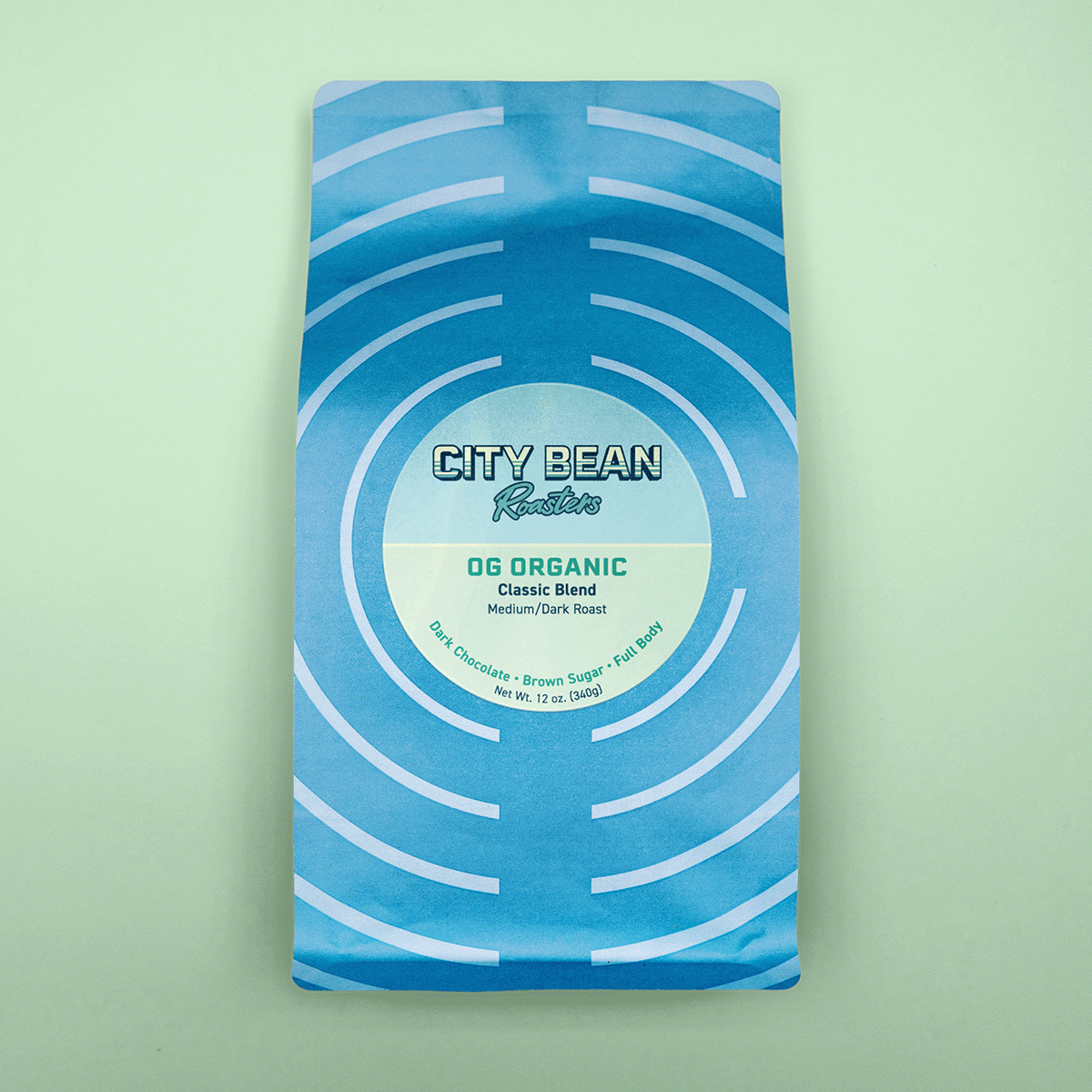
Roasted Viennese style, OG is crafted to allow the rich and slightly smoky flavor of the roast to lead, while leaving some of the nuanced coffee origin flavor intact for complexity. What's left is a big body and flavors reminiscent of dense brown sugar.
Roast: medium/dark
Tasting notes: dark chocolate, brown sugar, full body
Espresso Recipe:
17.5g in / 27g out / 28 seconds
9 Bar Pressure | TDS: 12.6 | Extraction: 19.44%
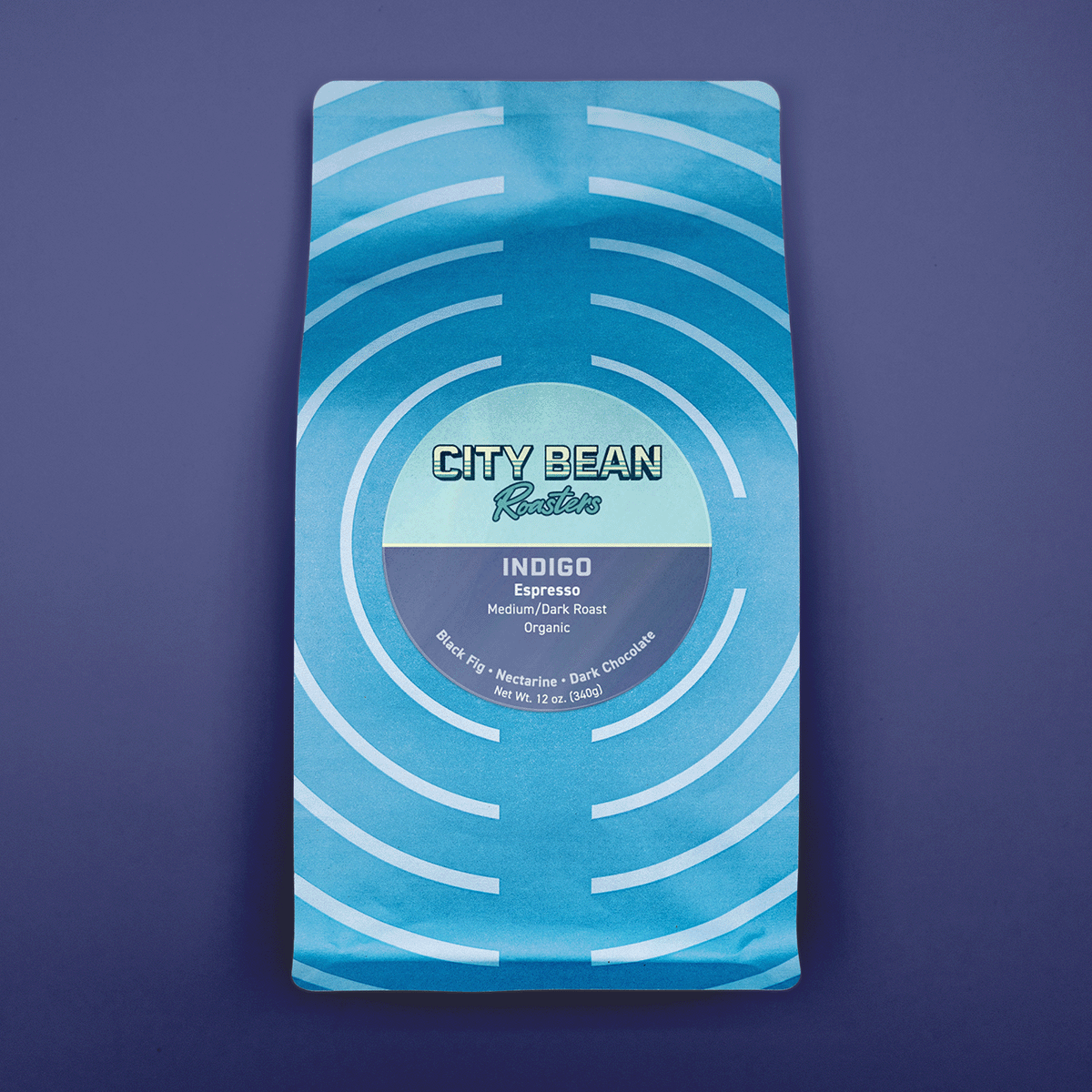
Espresso for the People!
Indigo is our newest espresso offering, built on a steady foundation of warm chocolatey Central American beans paired with luscious accents from select natural-process lots. Indigo radiates notes of ripe figs and stone fruit alongside decadent chocolate, creating an approachable espresso for every season and setting. Let Indigo set the tone for your day, anytime.
Roast: medium/dark
Tasting notes: black fig, nectarine, bittersweet chocolate
Espresso Recipe:
18g in / 36g out / 24-28 seconds
9 Bar Pressure | TDS: 9.8 | Extraction: 19.60%
Let’s Brew
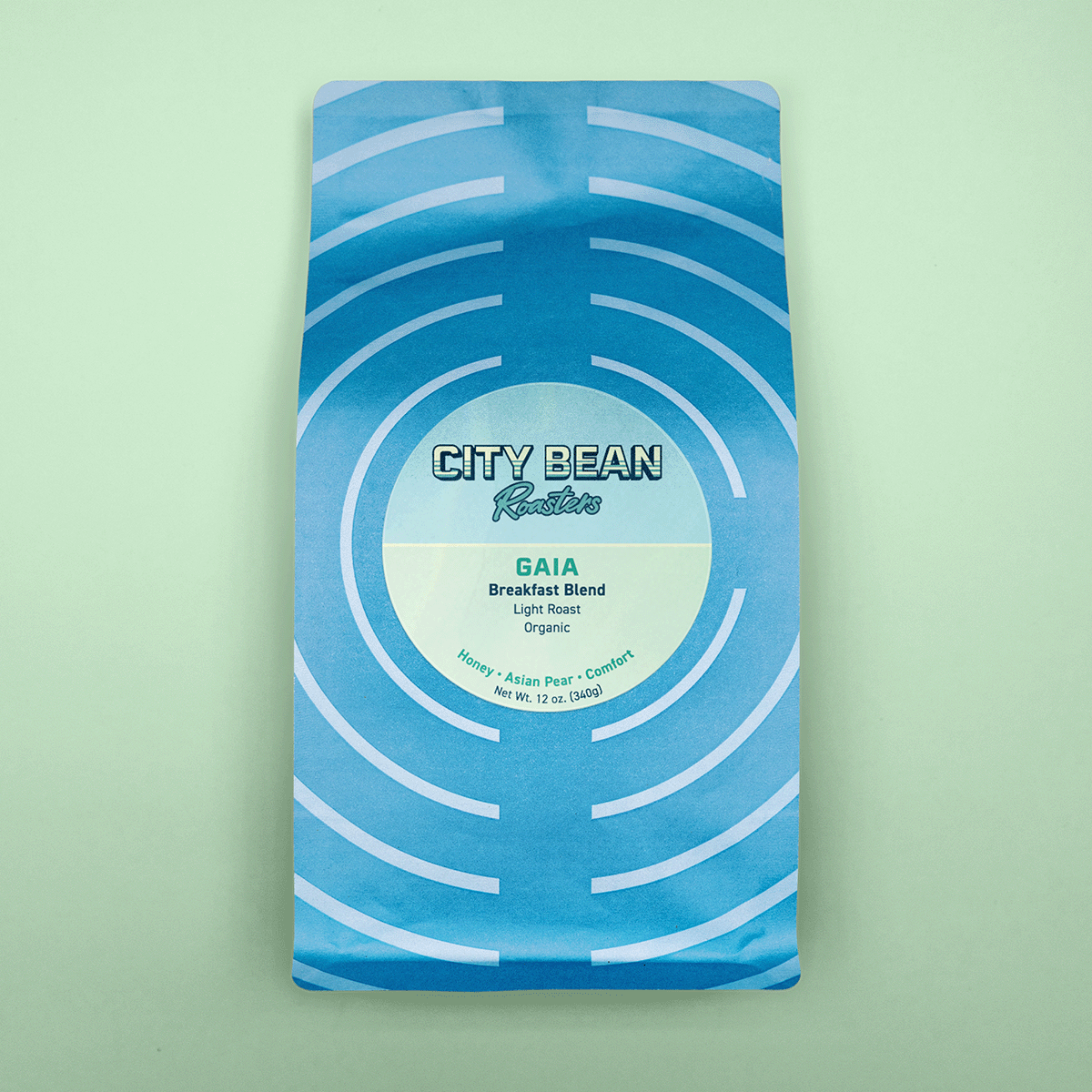
We wanted to honor the feminine with this blend, which was created by Yudi and Sabs. So, we named it Gaia, Goddess of the Earth - a complex blend that bursts with flavor! Certified organic and waiting to be loved.
Roast: light
Tasting Notes: honey, asian pear, comfort
Espresso Recipe:
18.5g in / 37g out / 28 seconds
9 Bar Pressure | TDS: 10 | Extraction: 20.56%
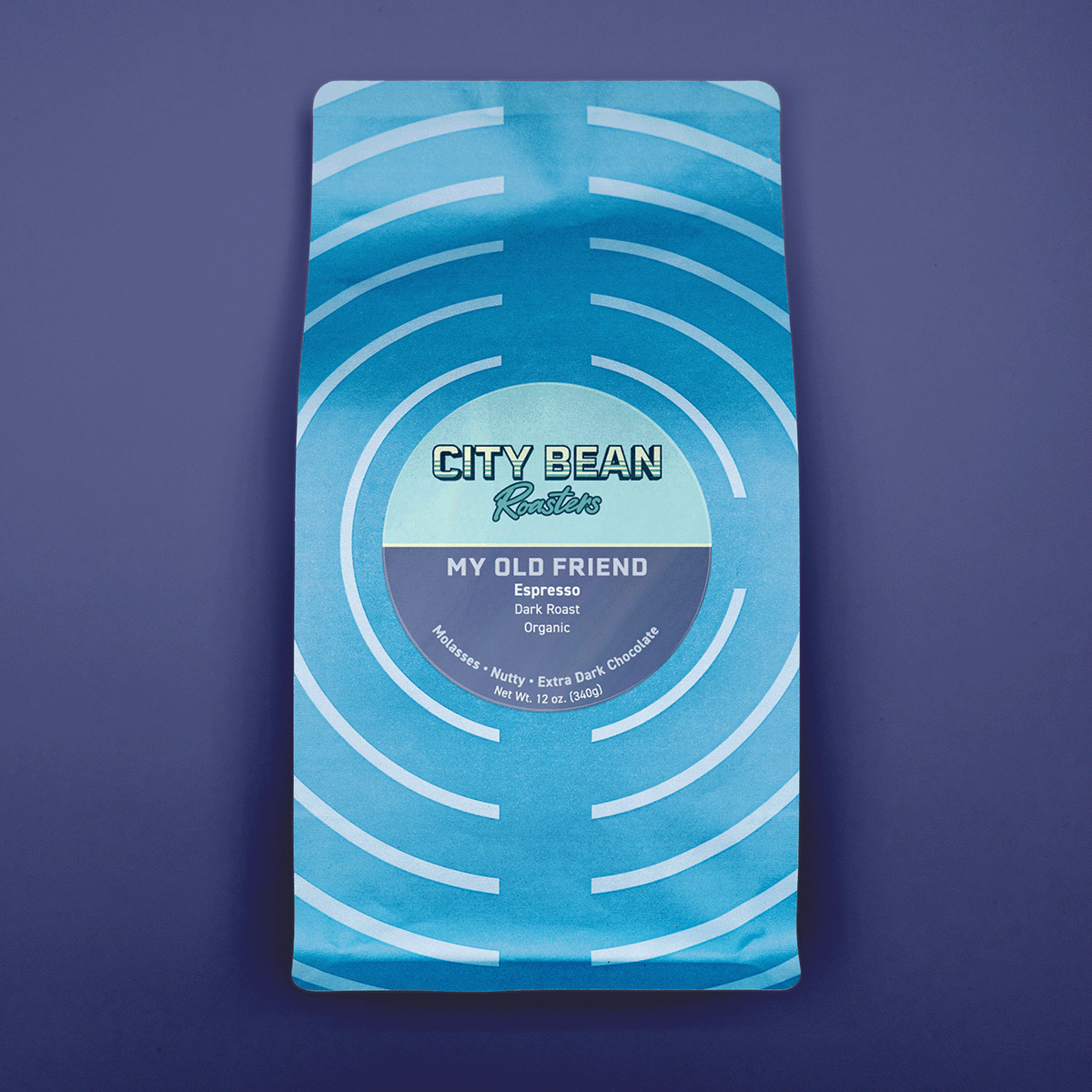
This espresso blend speaks to those who love chocolate tones with a roasty depth. Whether you sip as a ristretto or gulp as a latte, My Old Friend will take you to a place of comfort, a place you know… the coffee gives you a warm hug and lingers in your mouth so you keep remembering the feeling.
Roast: dark
Notes: dark chocolate, toasted hazelnut, molasses chips
Espresso Recipe:
18g in / 27g out / 24-26 seconds
9 Bar Pressure | TDS: 12.5 | Extraction: 18.75%
Indonesia
Sumatra Aceh Bener Meriah Burni Telong - Organic from Indokom Coffee
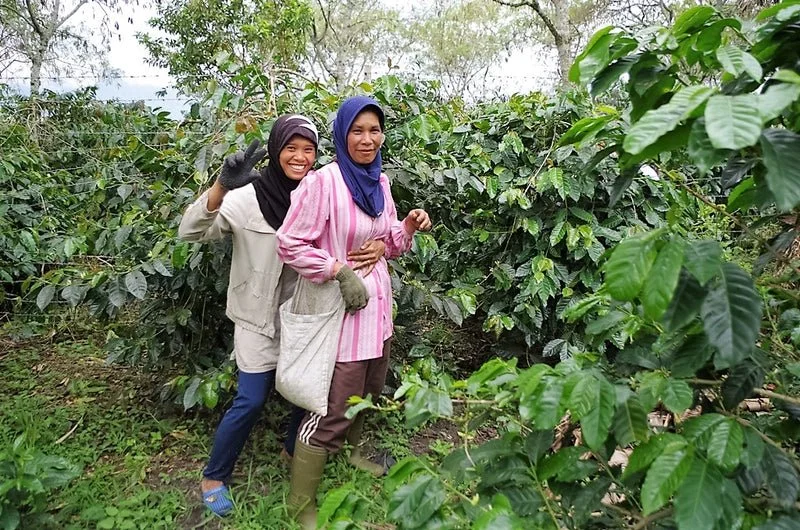
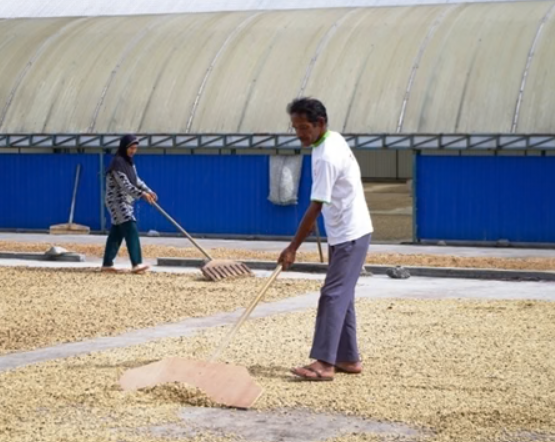
This coffee comes from smallholder farms in Bener Meriah. The land is lush from the frequent rain and the volcanic soil. The coffee process is not done at each individual farm, instead the coffee moves along task by task. It starts with fresh cherries picked up at each village by a collector(s). They then clean, sun-dry, and deliver the coffee to the co-op’s mill. That’s where the beans are wet-hulled and dried again. These farms are managed by Indokom Coffee who connects the Indonesian coffee heritage with the world.
In All of These!
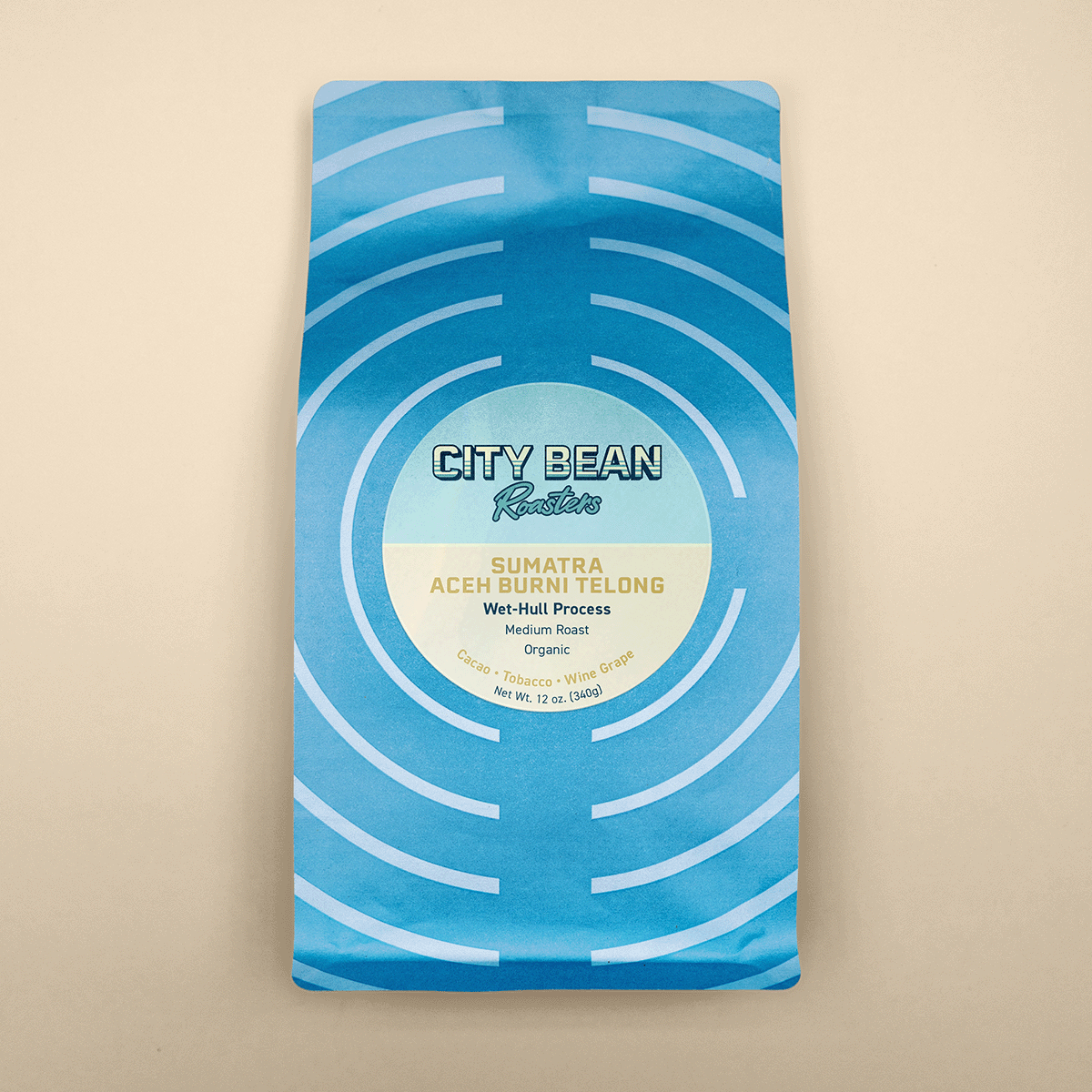
Aceh (pronounced AH-CHEY) is the northernmost province of Sumatra. Its highland territory, surrounding Lake Tawar and the central city of Takengon, is considered to be the epicenter of one of the world’s most unique coffee terroirs. This coffee is a regional blend of smallholder farmers from the regency of Bener Meriah, which surrounds Lake Tawar’s northern shore and is one of Aceh’s most prolific producing region. Bener Meriah regency contains Burni Telong, an active volcano with an altitude of 2624 meters which is not only a focal point of the region for its looming presence, but also a major influence on the gifted terroir of this part of Sumatra. Since the coffee is sourced from around the base of the volcano and its area of influence, the exporters decided to name it in the volcano’s honor.
Wet hulling is a process devised in Sumatra and adopted throughout the region as a solution to rainy, humid conditions that make drying green coffee a challenge. Typically, farmers depulp freshly picked cherries, ferment overnight, and wash the seeds before selling to a mill or collector only partially dried. The coffee's husk (parchment) is removed much earlier stage than in a standard washed process, while the green seed is still soft and pliable; great care is needed to prevent excessive damage. After milling, the coffee seeds are then finally dried until optimum moisture content is reached.
Roast: medium
Tasting Notes: cacao, tobacco, wine grape
Espresso Recipe:
18g in / 45g out / 24 seconds
9 Bar Pressure | 8.5 TDS | Extraction: 21.25%
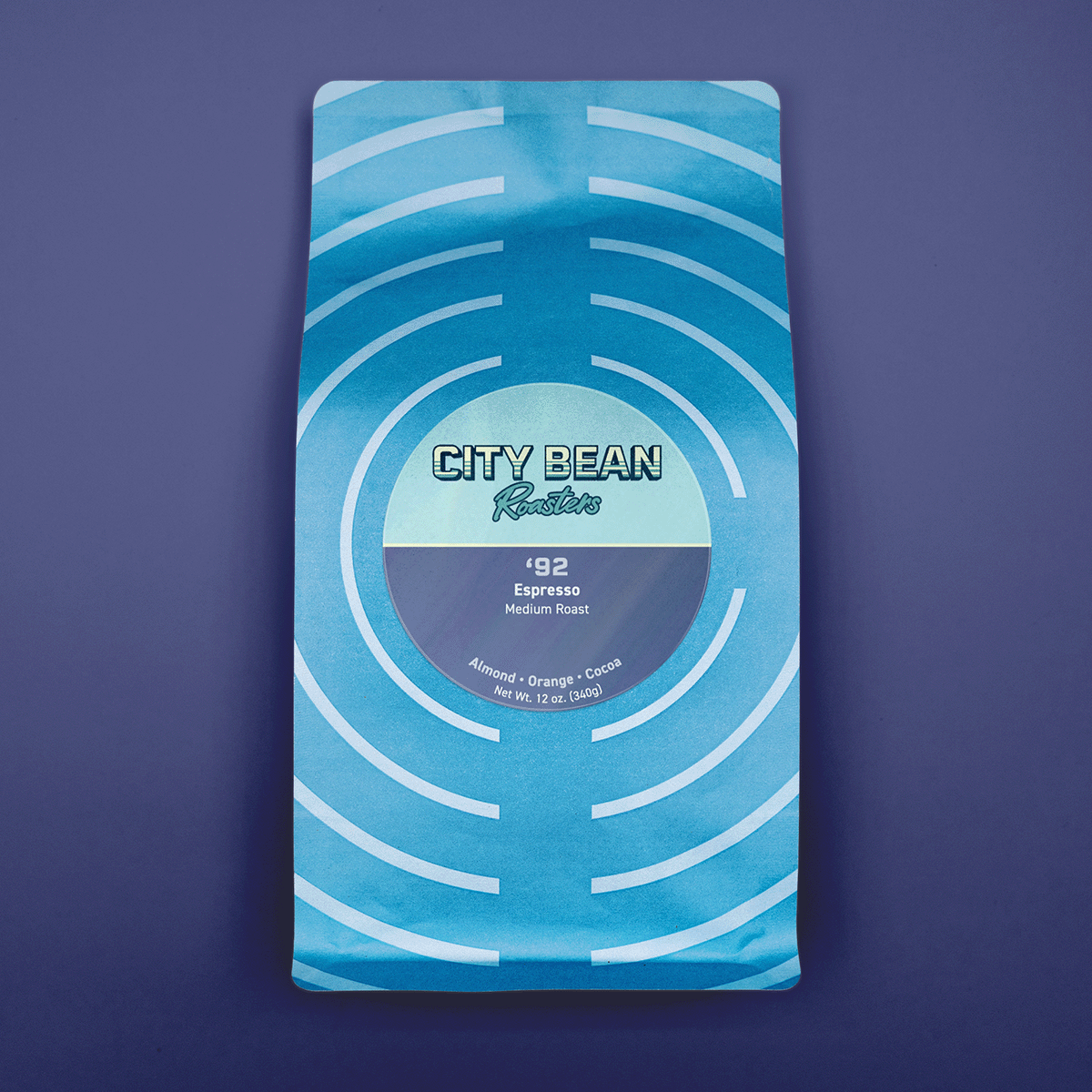
The year it began for City Bean, ’92 is a medium roast espresso blend with the same roast and flavor profiles we were dishing out to customers at our original Westwood café way back when. We start with a base of natural Brazil and enhance with Indonesian depth and African brightness.
Roast: medium
Tasting notes: almond, orange, cocoa
Espresso Recipe:
18g in / 36g out / 24-28 seconds
9 Bar Pressure | TDS: 10.2 | Extraction: 20.40%
Let’s Brew
Espresso for the People!
Indigo is our newest espresso offering, built on a steady foundation of warm chocolatey Central American beans paired with luscious accents from select natural-process lots. Indigo radiates notes of ripe figs and stone fruit alongside decadent chocolate, creating an approachable espresso for every season and setting. Let Indigo set the tone for your day, anytime.
Roast: medium/dark
Tasting notes: black fig, nectarine, bittersweet chocolate
Espresso Recipe:
18g in / 36g out / 24-28 seconds
9 Bar Pressure | TDS: 9.8 | Extraction: 19.60%
Let’s Brew
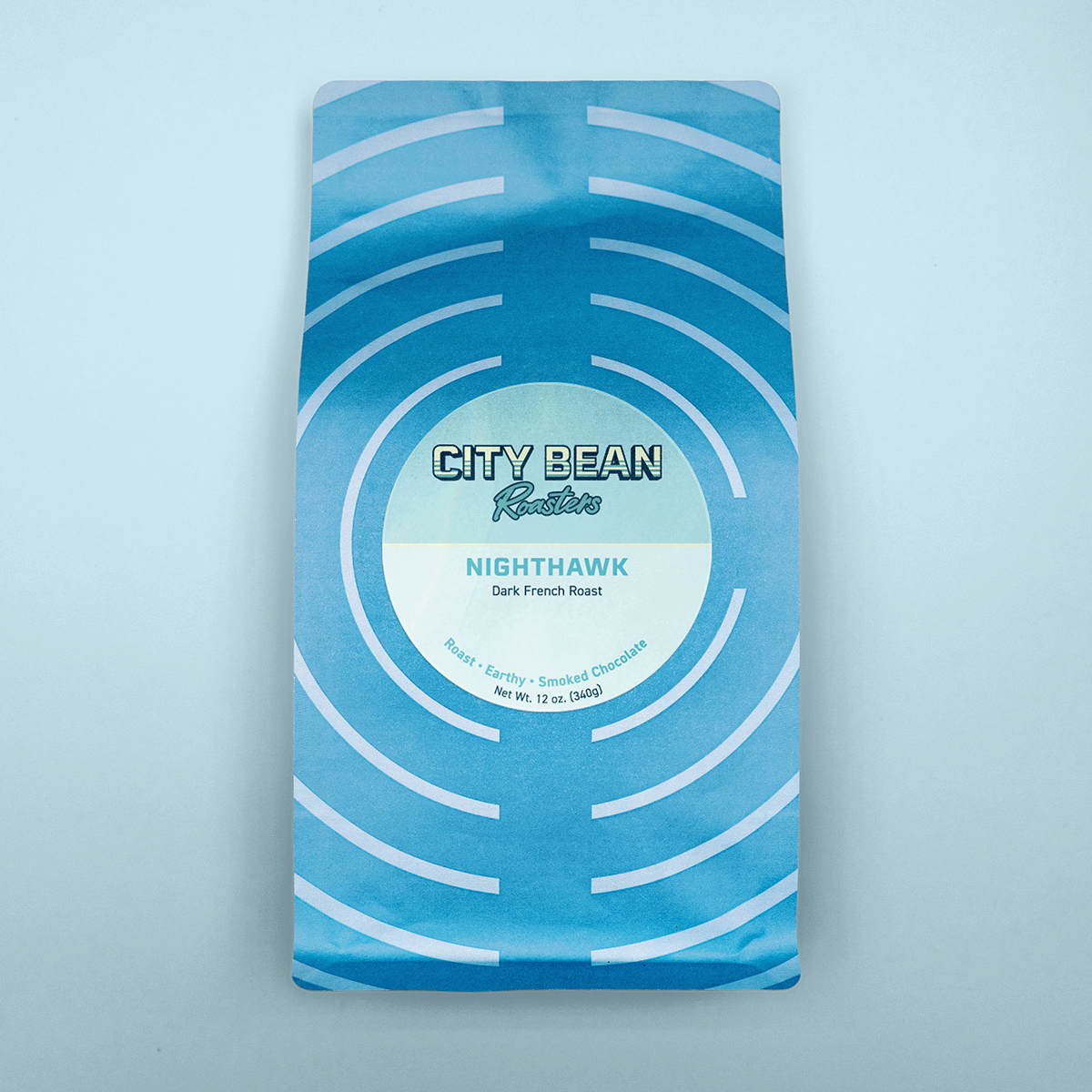
City Bean’s darkest roast is delectable and daring - a great cup to start your day, no matter what it may bring.
Roast: dark
Tasting notes: roast, earthy, dark chocolate
Espresso Recipe:
17.5g in / 27g out / 23 seconds
9 Bar Pressure | TDS: 12 | Extraction: 18.51%
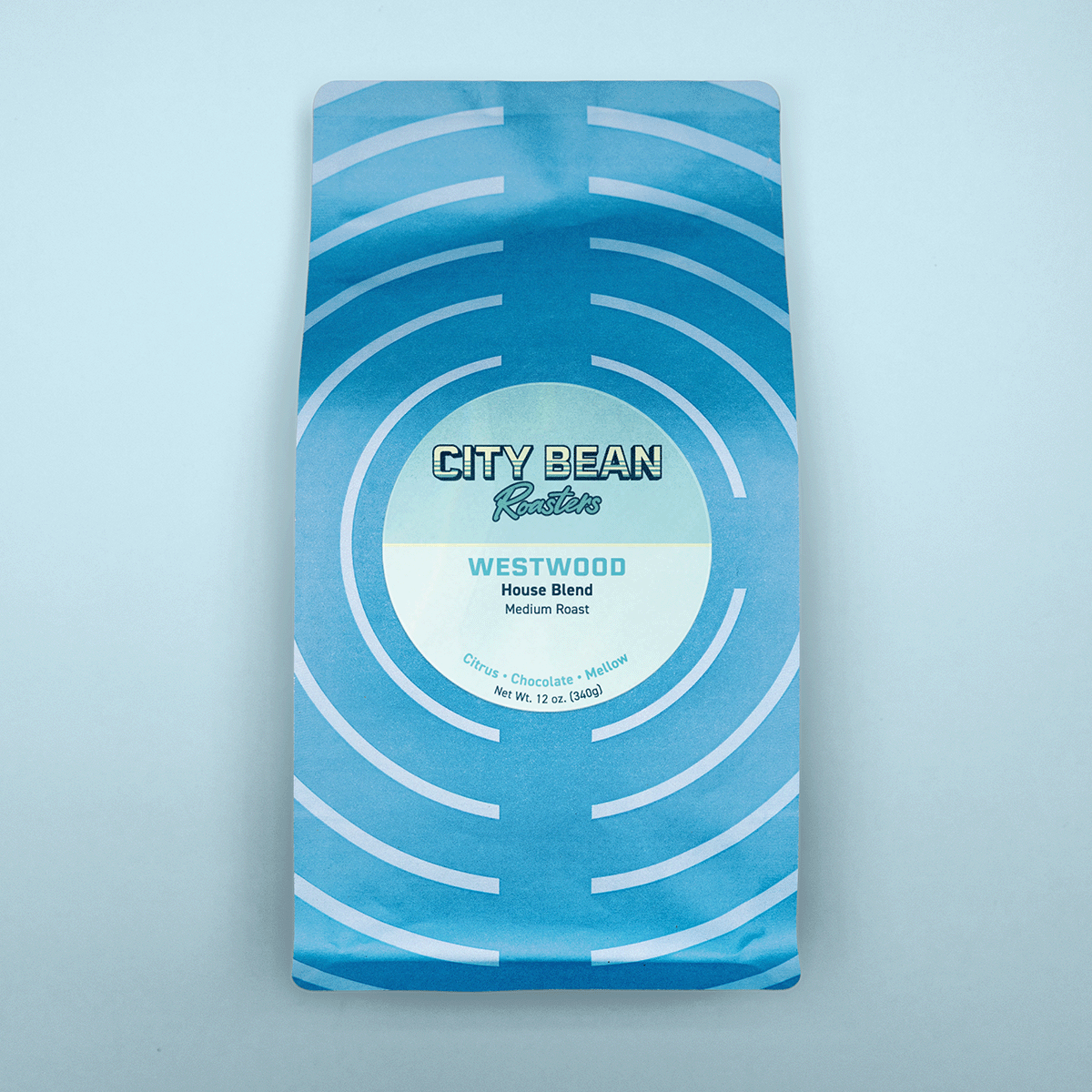
The village that launched City Bean from a tiny storefront back in ’92. Originally dubbed House Blend, this anytime-of-day drinker has coffees from all three major growing regions producing a balanced cup, mild in character with a little zing.
Roast: medium
Tasting notes: citrus, chocolate, mellow
Espresso Recipe:
18g in / 36g out / 28 seconds
9 Bar Pressure | TDS: 10 | Extraction: 20%
Let’s Brew
We wanted to honor the feminine with this blend, which was created by Yudi and Sabs. So, we named it Gaia, Goddess of the Earth - a complex blend that bursts with flavor! Certified organic and waiting to be loved.
Roast: light
Tasting Notes: honey, asian pear, comfort
Espresso Recipe:
18.5g in / 37g out / 28 seconds
9 Bar Pressure | TDS: 10 | Extraction: 20.56%
South America
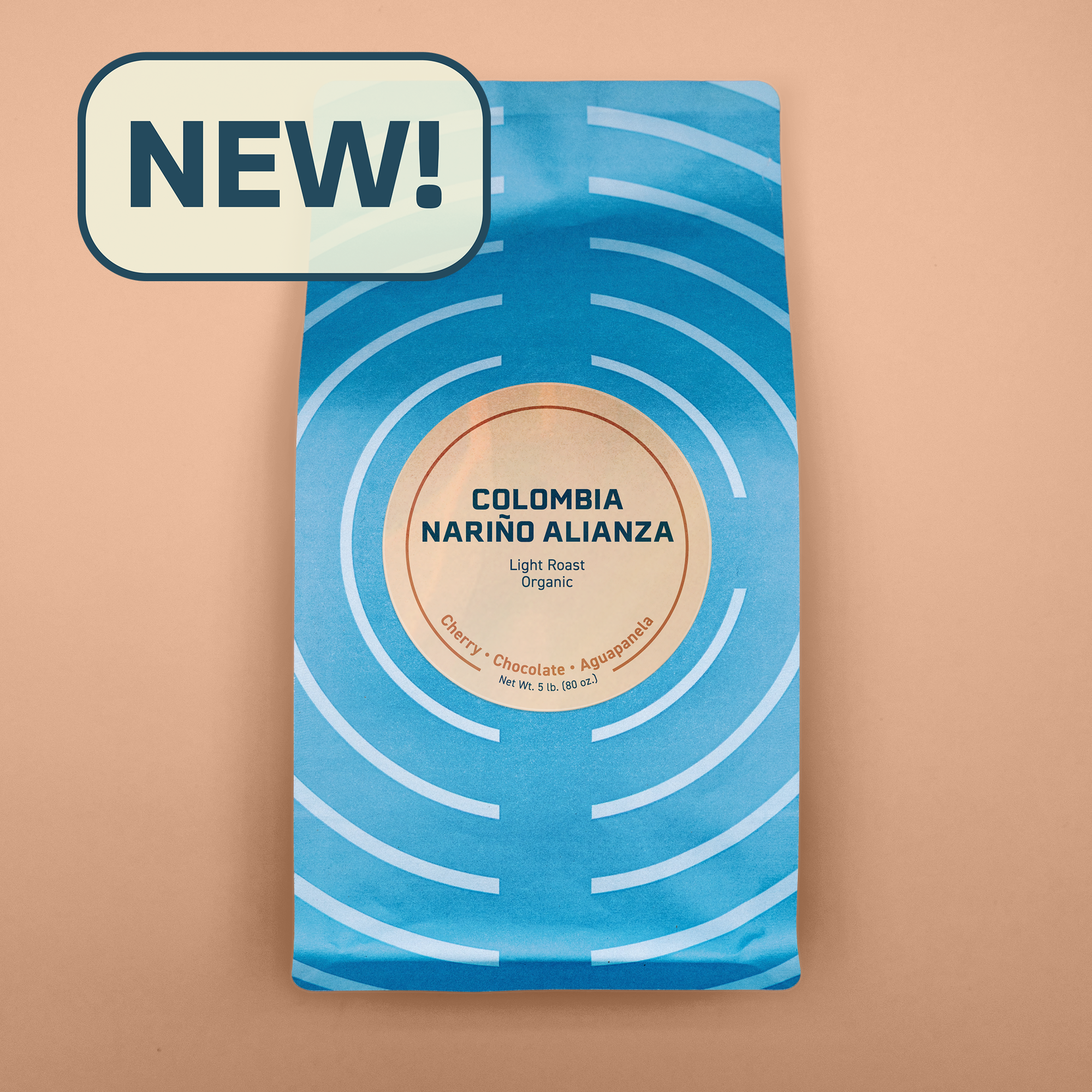
Colombia Nariño - Organic from Alianza
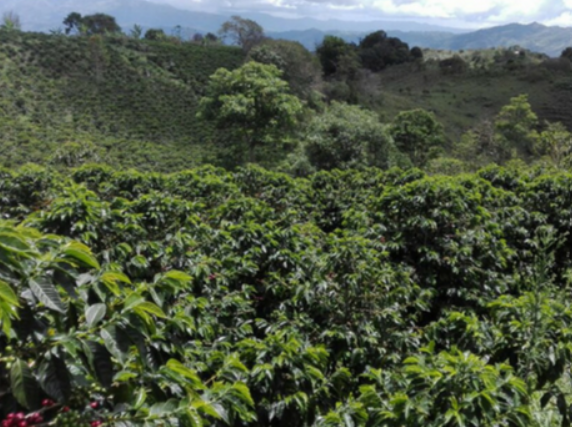
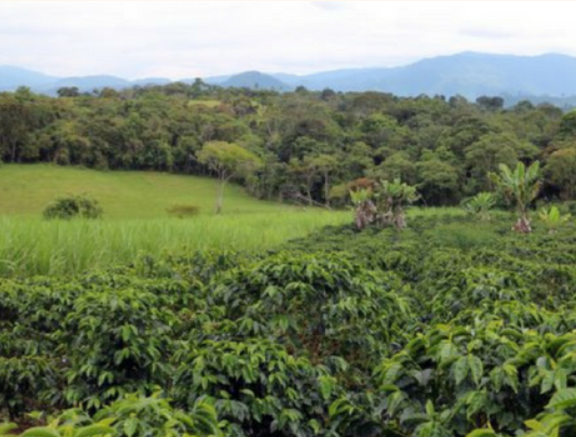
What started as a garden crop in the 1600s has blossomed into an entire economy for Colombia. Its helped largely by the volcanic soil which contains potassium and nitrogen, and boron. The Buesaco area of Nariño boasts 7 volcanos which Alianza’s 1000 smallholder famers use to grow this delicious coffee.
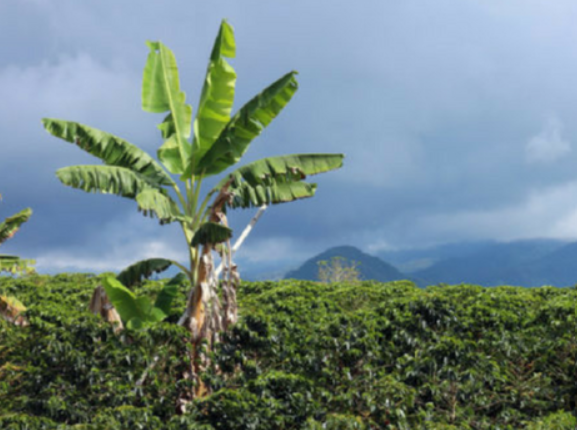
Experience It!
Colombia’s coffee story begins with a legend. In the early 1800s, a priest named Francisco Romero is said to have heard his parishioners’ confessions and given them an unusual penance: plant coffee. The idea spread, the Archbishop told priests across the country to do the same, and a nation of coffee growers was born. Some say that makes this the sweetest redemption story in the coffee world.
Two centuries later, that spirit lives on in Buesaco, Nariño, where seven volcanoes have enriched the mountain soil with nutrients that give the coffee its depth. Here, more than 1,000 smallholder families came together in 2017 to form the Alianza Café cooperative. Their organic, sun-dried beans carry the warmth of the people who tend them and the richness of the land beneath them.
Roast: light
Tasting Notes: cherry, chocolate, aguapanela
Africa
Ethiopia Guji Natural - Organic from OCFCU
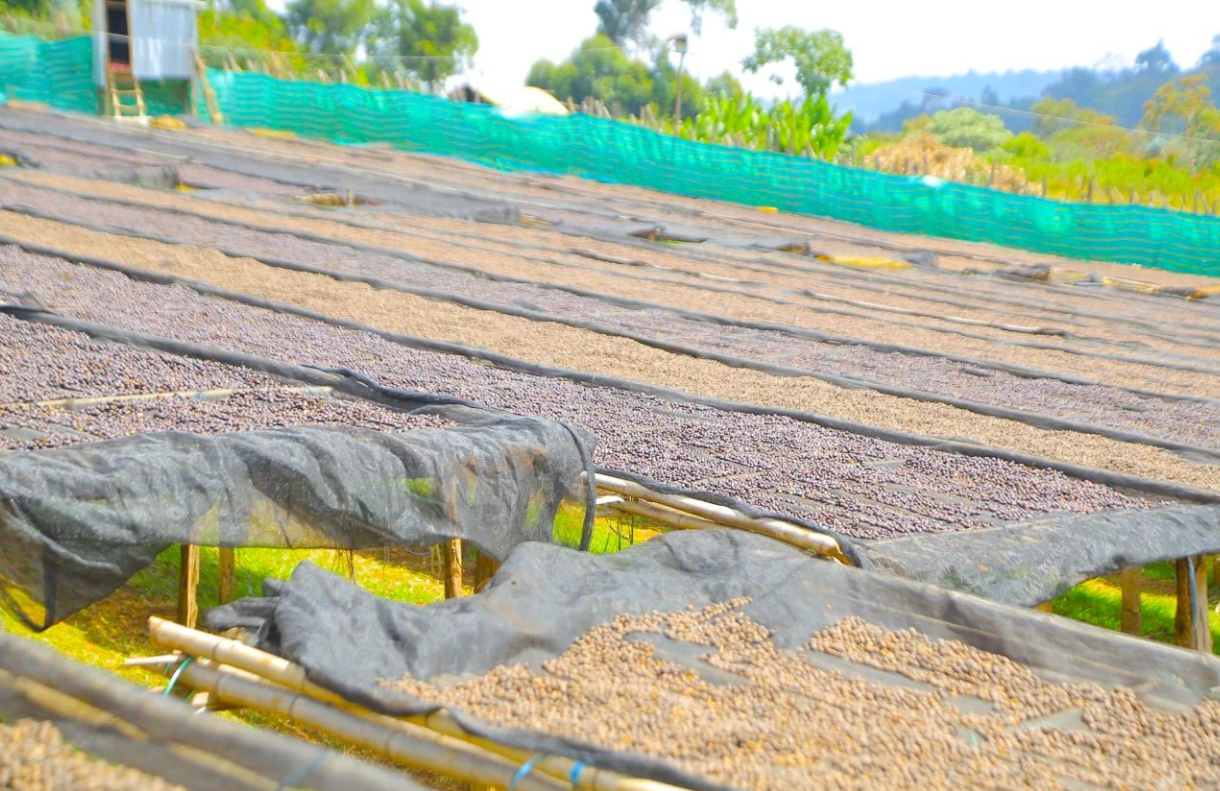
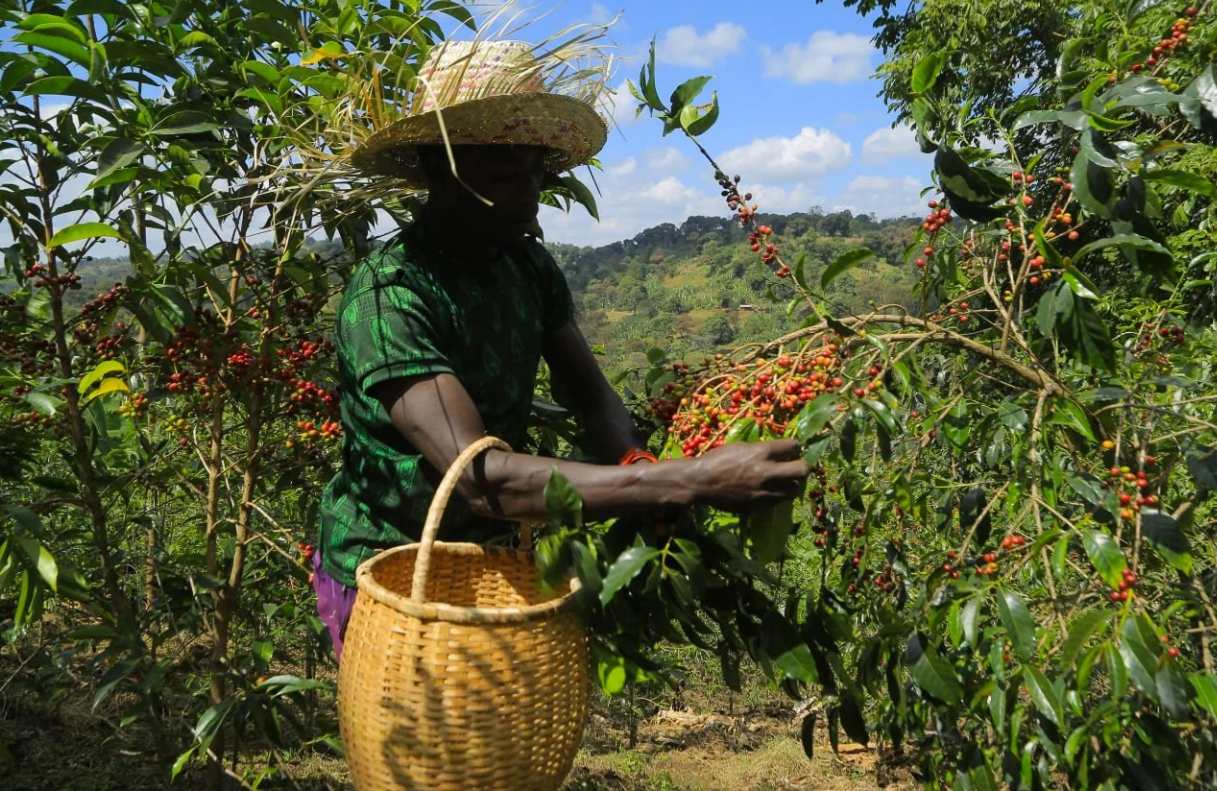
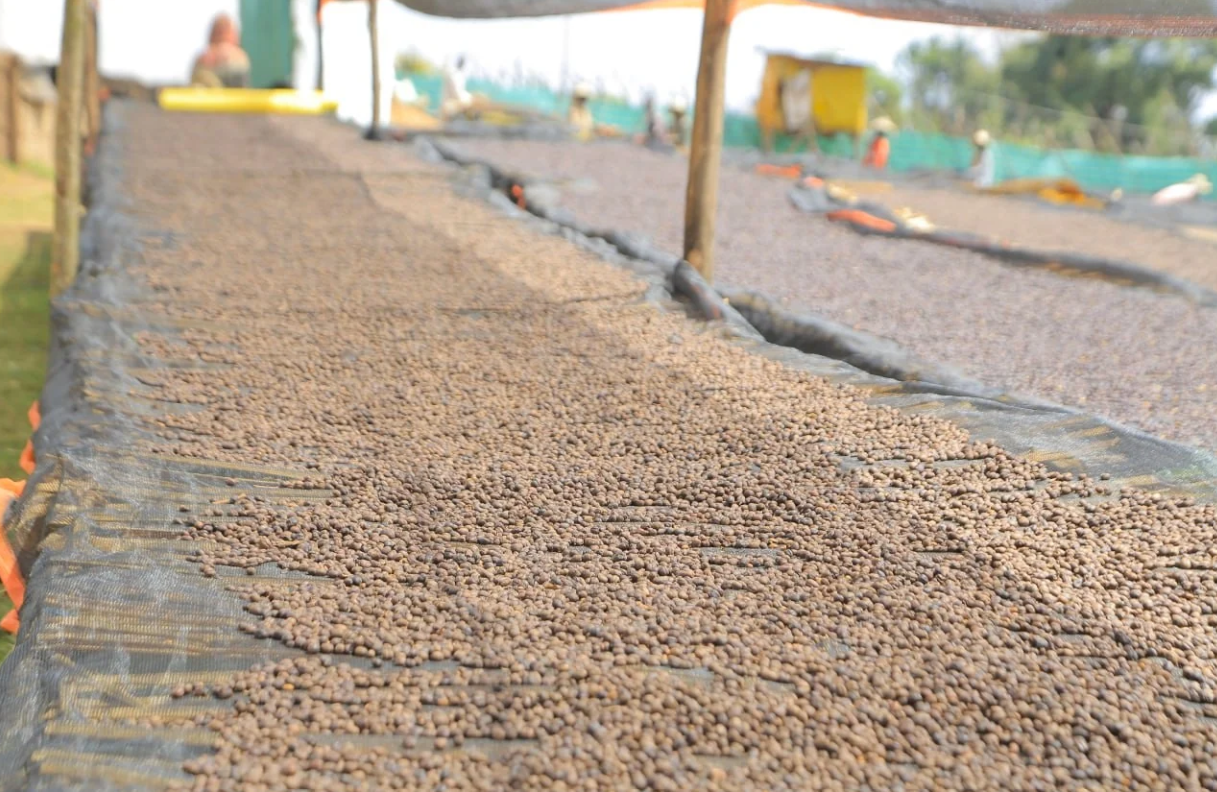
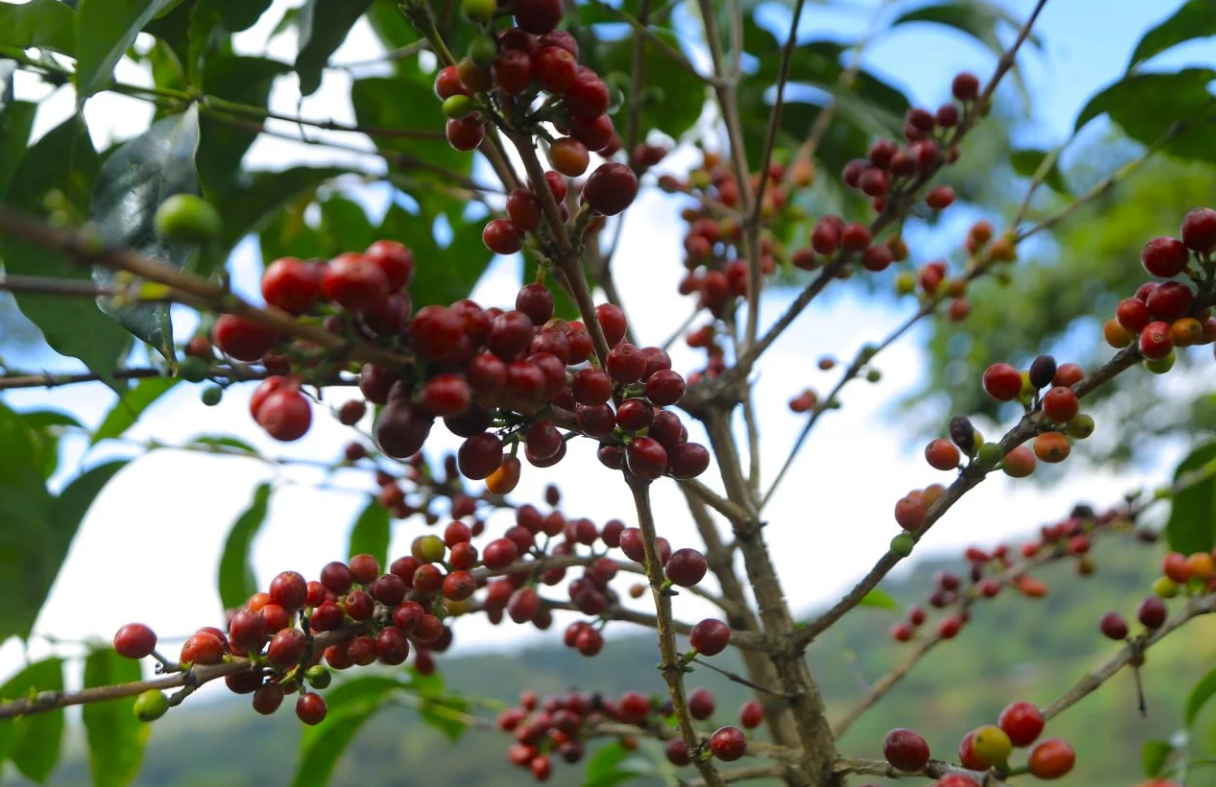
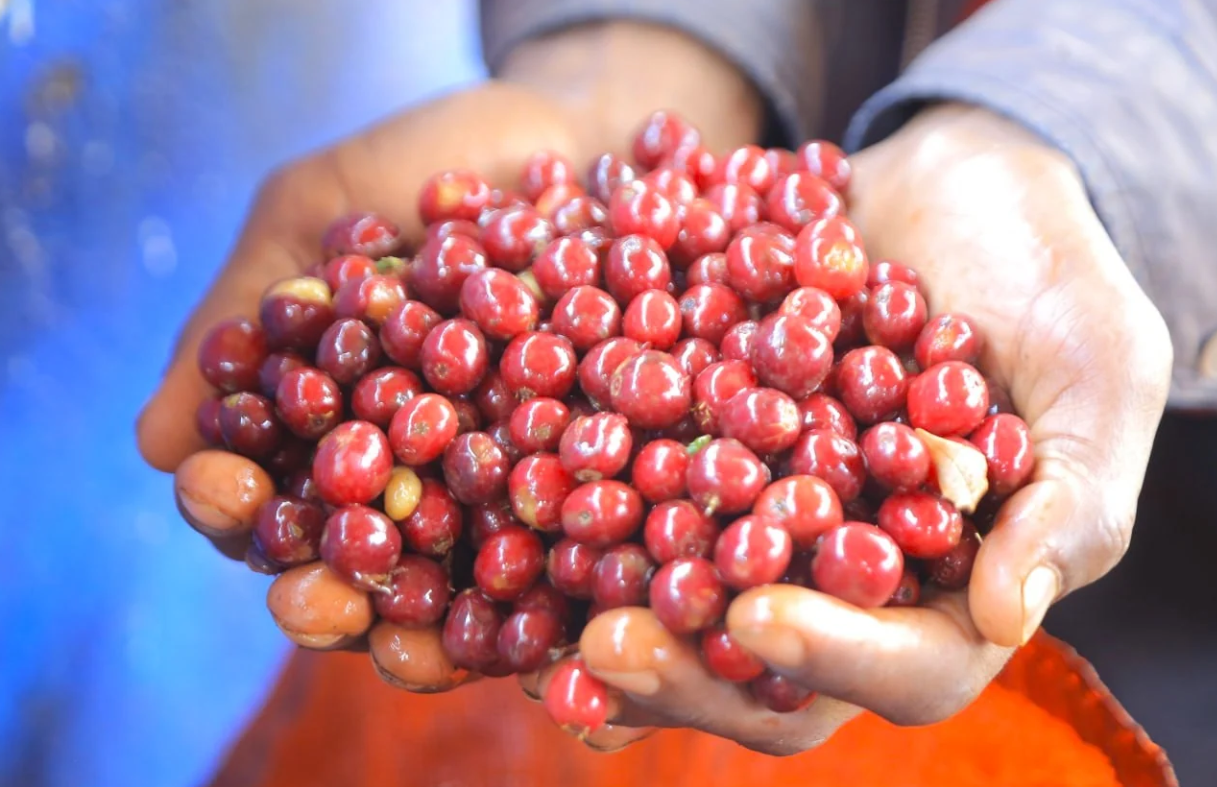
OCFCU is the largest Fair Trade producer in Ethiopia. They’ve built schools, health centers, and clean water stations. 70% of the co-ops’ profits go back to the farmers. Guji’s coffee beans are indigenous heirloom Arabicas. The cherries are sorted twice using flotation before being dried for 10-15 days.
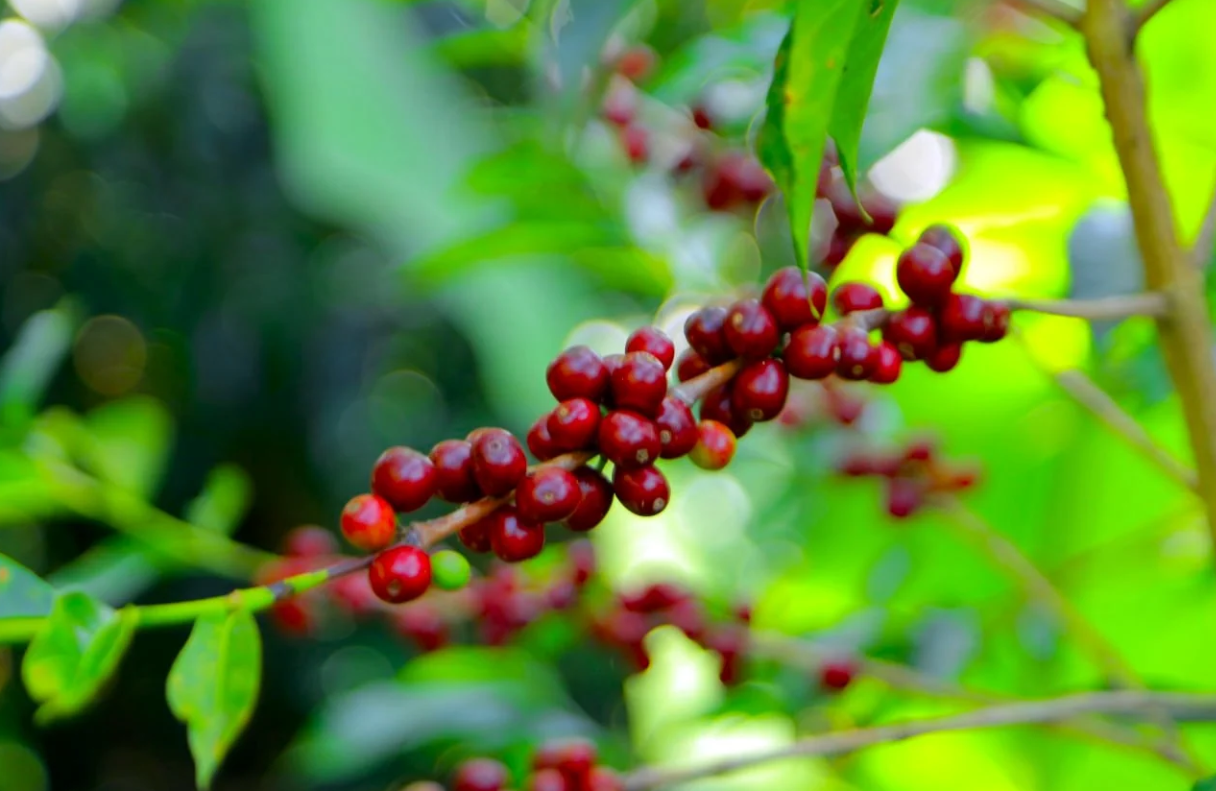
Here It Is!
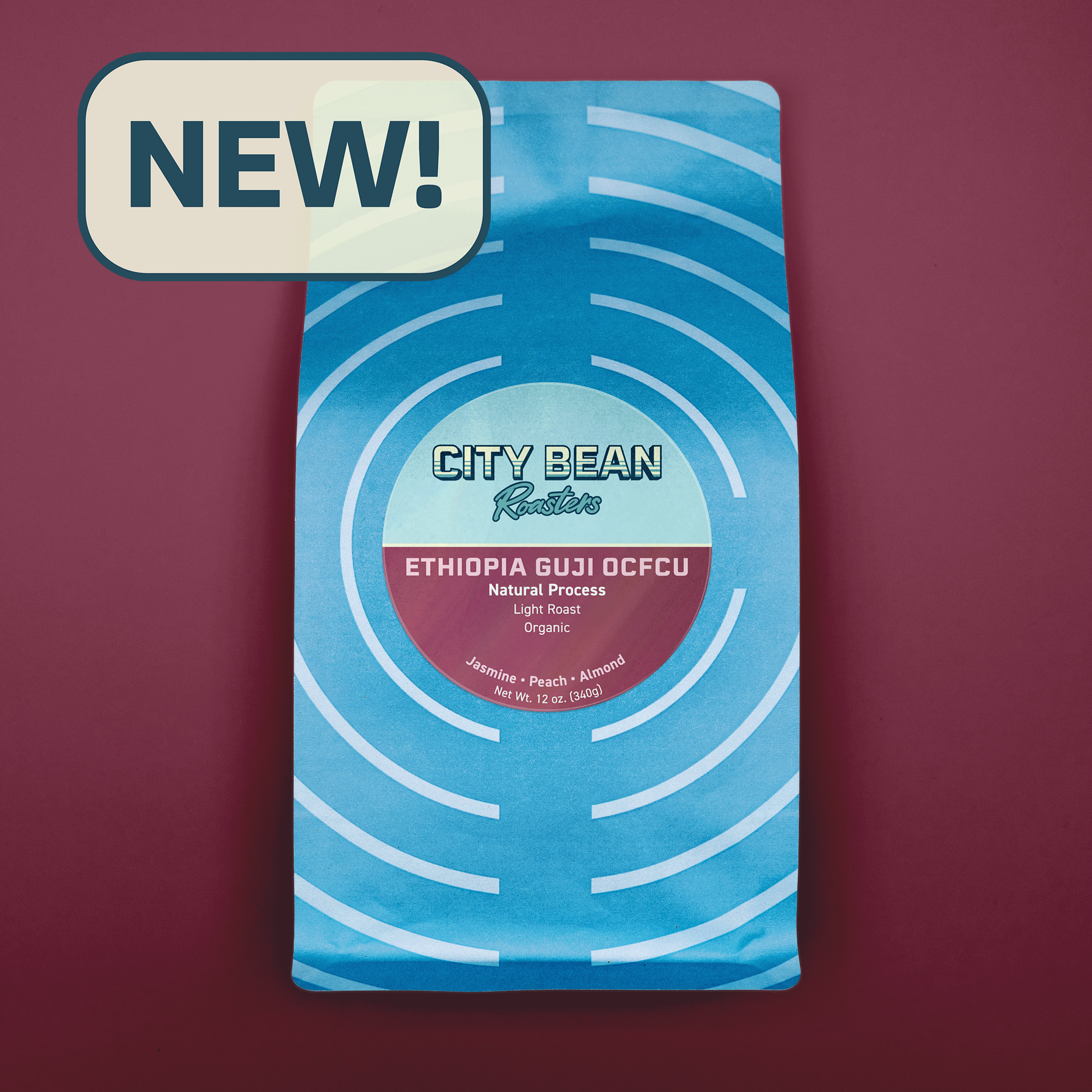
This enchanting Ethiopia Guji OCFCU Natural Process Organic coffee is produced by members of The Oromia Coffee Farmers Cooperative Union (OCFCU), a farmer-owned cooperative with members from across the Oromia Regional State, which accounts for 65 percent of the country’s total coffee-growing land. The group has an excellent reputation for supporting its members and their communities by having women in prominent positions throughout the organization, constructing schools, health centers and clean water supply stations and offering financial services to it’s members.
Ethiopia’s Guji zone in many ways feels like the next generation of Ethiopian coffee. We see the marketplace itself evolving constantly in this country--the very exciting new wave of direct exports for one, the rise of private washing stations and boutique domestic buyers for another, and the foundation of modernized, large estates with quality and social justice equally at the forefront, setting management examples for producers worldwide. Guji itself however, as a place, a people, and a coffee, is like a newly emerged origin altogether. The forest-heavy zone with a conservationist spirit and uniquely candy-like coffees is getting its break now, and the world is better for it.
For natural process coffee, coffee cherry is picked and laid out to dry in the sun with the skin still intact. Because the beans dry inside the fruit, they absorb flavors from the pulp and natural sugars as they develop. This approach differs significantly from the more commonly utilized washed process, where the fruit is mechanically removed using depulping machines and the beans are rinsed in water to eliminate any remaining pulp before drying.
Roast: light
Tasting Notes: jasmine, peach, almond
More Beans
El Salvador Cerro Las Ranas Honey
Cerro Las Ranas (the Hill of Frogs) coffee is named after the farm’s lagoon that is populated by thousands of frogs, located in Apaneca within the department of Ahuachapan, El Salvador. The coffee is produced by JASAL, a family owned operation where Jose Antonio Salaverria and his sons take great pride in their meticulous attention to detail, from year-round farm management to quality control in the cupping lab, and everything in between. In the pulped natural process (also called a honey process), JASAL pulps perfectly ripened cherries and then dries the coffee beans, still covered in mucilage, on clay patios while constantly turning the beans to ensure even drying.
El Salvador Puerto Arturo Pacamara Anaerobic Natural
There are simply no limits to the ways this generation of El Salvadoran producers have embraced the specialty coffee market with the duality of tradition and innovation. The best of the best often come to the top because of the prestige of the mill where the coffee is prepared for export. This is certainly the case for Beneficio El Carmen where coffee is expertly processed in any number of ways and gently dried on clay patios or raised beds. Fernando Alfaro, the fourth generation to run the family’s mill, works tirelessly with coffee coming from many estates. A combination of experience and a state-of-the-art cupping lab are used to make decisions about how to bring out the best in each coffee. This is exactly the case with this anaerobic processed Pacamara from a 42-acre estate called Finca Puerto Arturo, which is located near the town of Apaneca in the Illamatepec mountain range within the department of Ahuachapan. Known for experience in traditional processing, the team at El Carmen has taken their game to another level with controlled fermentations. To be precise, cherries from this lot were placed in airtight barrels for 96 hours with selected microbes and carefully controlled temperature to ensure a precise fermentation. Next the cherries were placed on raised beds and turned regularly for more than 30 days to ensure gentle and even drying. The processing method is an innovative twist on traditional processing and also saves a tremendous amount of water resources, which is good for the environment.
Ethiopia Yirgacheffe Banko Gotiti
This is a grade 1 washed coffee from Banko Gotiti wet mill in Kochere district, in the Yirgacheffe coffee region. The mill, managed by Alemu Bukato, processes cherries from around 650 local farmers. The combination of high altitude, fertile soil, consistent and plentiful rains, and an abundance of local knowledge are all contributing factors to the high status of Yirgacheffe coffees. Ripe cherries are delivered to the wetmill for careful sorting and pulping, before fermentation for 36-48 hours, depending on the climactic conditions. After this point the parchment coffee is thoroughly washed and graded by bean density before being dried in the sun on raised African beds for 12-15 days. In the daytime the parchment needs to be raked and turned periodically to ensure a consistent drying process. The coffee is also covered between 12pm and 3pm to protect it from the hot sun, and at night time to protect it from rainfall and moisture.
Ethiopia Yirgacheffe Boji Kochere - Organic
Ethiopia is regarded by many as the birthplace of coffee. It has been cultivated there since the 1500’s, in much the same way that it is grown today. Most coffee grows wild in the shade of other trees and is referred to as forest grown coffee. Some grows in gardens along with other crops, with minimal agricultural intervention. Some is a bit of a combination, where producers lightly cultivate and weed their forest crop in order to ease harvesting. In any case, most smallholders produce an average of only 5 bags per year. One of the most notable coffee producing regions in Ethiopia is Yirgacheffe. This small area is in the southern part of the country, encompassing Gedeo zone – part of the Southern Nations, Nationalities, and People’s Region (SNNP) – and part of Oromia Region. This eastern portion of the highlands is surrounded by Oromia Region on all sides but the north which borders the Sidama region. Yirgacheffe is home to fertile soil, high elevation, and a tropical climate with moderate wet and dry seasons. Ethiopia Yirgacheffe G2 Organic Rainforest Alliance is washed and dried on traditional raised beds, which promote even drying with optimal airflow. The heirloom varietal, idyllic climate and processing methods combine to create a signature flavor. The profile is renowned for its bright acidity, delicate body and floral aroma.
Rwanda Migina
Migina Coffee Washing Station, located in Rwanda's Gisagara District, Southern Province, processes red Bourbon grown in the region’s fertile soils. The station uses a wet mill with a Mackinon disc pulper, three fermentation tanks, and 60 raised drying tables. Cherries are hand-sorted, floated, and pulped within eight hours of harvest, then undergo 15–18 hours of dry fermentation, washing, and a 15–20 hour soak before sun-drying for 12–14 days. Defects are removed at multiple stages to ensure quality. Migina also invests in farmer training, input distribution, and environmental programs, including shade tree and coffee seedling nurseries and wastewater treatment using Activated Effective Micro-organisms (E.M.).
Ethiopia Limu 2 Washed
This is a smallholder-grown coffee processed centrally by Fahem General Trading PLC, founded by Ato Mohamed Lalo and co-run with his wife, an independent specialty exporter operating in Limu Seka, a small agricultural area at the top of the Jimma zone, southeast of Addis Ababa. Generally considered part of Ethiopia’s “western” coffee area, Jimma sits next to the Keffa zone, in whose high altitude forests arabica coffee is believed to have first evolved. The best coffees of Jimma, from the Limu, Gera and Goma districts in particular, are known for being snappy with sweet and delicate fruit flavors. The area’s “white” honey, foraged by bees from coffee and forest blossoms, is another famous Jimma icon, and an utter sensory delight. Like a lot of private estates, they make the most of their processing capacity by buying cherry from surrounding smallholders—in this case almost 3,000 of them—to use the estate like a washing station, processing centrally and selling the coffee separately from farm’s. The coffee is weighed and transported to the estate where it is immediately depulped and fermented underwater for an average of 12 hours, then soaked in fresh water for another 12 hours, and finally washed and spread across raised screen beds to dry. Drying takes 7-10 days, after which the parchment coffee is bagged and moved into a ventilated warehouse for longer term storage. Fahem consists of over 500 staff during harvest months, including all farm work, certification, training for farmers, marketing for their international sales (and local roasted brand), and apiary management. A portion of the company’s profit is annually reinvested in the local community, including schools, grain mills, pruning tools for smallholders, a local bridge, and expanding the national electric grid.
Mexico Chiapas Ki-saya - Organic
Ki-Saya is our organic offering from Chiapas. The name come from the combination of two words in the indigenous Mayan language of the area: Ki, meaning “tasty” and Saayab, which means “nature.” Coffee is the most important commercial crop in Chiapas and has a long history in the region, representing a significant source of income for small producers, some 44% of whom are indigenous, mostly Tzotzil and Tzeltal. Farmers in the areas where Ki-Saya coffee is sourced have improved their processing capabilities over the years, and now take great pride in delivering pristine parchment coffee that is some of the best in all of Mexico. Only the ripest, best cherries are selected; after depulping, the coffee ferments for 12 to 17 hours before being washed and dried on small drying patios next to farmers’ homes.
Honduras Calan COHORSIL Cooperative
Sandwiched between two of the most productive coffee growing regions in Honduras, Cooperativa Cafetalera Siguatepeque Limitada (COHORSIL) has to run like a welltuned machine to manage the magnitude of cherry that flows from the mountainous departments of Comayagua and Intibuca. COHORSIL’s strategy begins with 6 regional wet-mills where producers deliver cherry. Each mill is similarly designed so coffee can be processed consistently at each location. All of the mills float cherries using recycled water to remove less dense and damaged beans before depulping. After depulping, coffee is fermented for 18 hours and then washed with a demucilager, which uses very little water. Washed parchment is density sorted again in classification channels and then placed on patios to pre-dry. Next the coffee is transported to a centralized mill in Siguatepeque where it is dried in horizontal dryers called guardiolas for a period of 72 hours. Furnaces burn recycled coffee parchment to heat the guardiolas. Dried parchment is stored and milled in Siguatepeque, which has mild weather conditions ideal for resting parchment and preparing coffee for export. COHORSIL has a fully staffed cupping lab equipped to cup through every lot and ensure consistent quality. The entire post-harvest process has been certification in the quality management systems from the International Organization for Standardization (ISO-9001). COHORSIL is not just a coffee cooperative, it also has an organic fertilizer production plant that uses coffee pulp as the base ingredient and California earthworms to promote decomposition. Plus, it has a massive greenhouse operation where thousands of vegetable seedlings are grown each year. And to tie it all together, there are 14 agricultural supply stores spread across western Honduras.
Sumatra Gayo Mandeheling - Organic
Wet hulling is a process devised in Sumatra and adopted throughout the region as a solution to rainy, humid conditions that make drying green coffee a challenge. Typically, farmers depulp freshly picked cherries, ferment overnight, and wash the seeds before selling to a mill or collector only partially dried. The coffee's husk (parchment) is removed much earlier stage than in a standard washed process, while the green seed is still soft and pliable; great care is needed to prevent excessive damage. After milling, the coffee seeds are then finally dried until optimum moisture content is reached.
Honduras Organic Aprocomsa Natural
Here is one of those rare opportunities where all that is good about coffee intersect. Simply a trifecta of: organic farm management practices; traceable to producers in the Marcala region, a protected designation of origin (DENOMINACION DE ORIGEN CAFE DE MARCALA); and a meticulous post-harvest standard of hand sorting cherry, cherry floating to remove less dense and damaged beans, proper fermentation, and long drying times. It starts with a concept called Finca Humana (the Human Farm) at Asociación de Productores Orgánicos Café Organico Marcala, S.A. (APROCOMSA), where the wellbeing of humans is the core objective and educating more than 1,500 producer-members to successfully live in harmony with nature is everywhere. At La Fortaleza, the APROCOMSA biodynamic demonstration farm, the focus of transferring knowledge takes place through week-long seminars called Pata de Chucho (pawprints left by a stray dog), which aptly reveals APROCOMSA’s dogged exploration for human productivity in harmony with nature. The trailblazing ideas for using organic matter to productively cultivate high quality coffee is only a sliver of what APROCOMSA teaches about the power of nature through the Finca Humana philosophy. APROCOMSA dedicates funding from the proceeds of coffee sales to run a cutting edge International school dedicated to filling children’s minds with possibility, and training them to be the future leaders of Finca Humana. This particular lot is a natural process carried out at APROCOMSA’s centralized wet-mill dedicated to process organic lots. After farmers meticulously harvest ripe cherries and deliver them to APROCOMSA, the post harvest process begins by floating cherries to eliminate under ripe and damaged coffee. The water is recycled several times to ensure conservation of water. Next the cherries are placed on patios and elevated tables to 11 percent moisture and then stored until preparation for export. APROCOMSA’s dry-mill facility is also located in Marcala where dried coffee is received, cupped and selected for export. Coffee is hulled and sorted by density and color in preparation for export. APROCOMSA has a fully equipped cupping lab and several Q graders who check the quality prior to shipping. APROCOMSA’s preparation ensures traceability and quality control throughout the post harvest process, which is a vital resource for establishing higher prices for producers.
Brazil Adilson Moreira Soares Natural
On the ground where Adilson’s grandfather sowed the first seed, resides the strength of a tradition that has never run dry. The patriarch, with the wisdom of the earth in his hands, planted not just crops, but a legacy of dedication that flourished through the generations, always encouraging his son and Mr. Adilson to honor the sacred branch of coffee. For Adilson, however, the secret that elevated his coffee to the category of special is not found merely in technique, but in the deep melody of the heart. He reveals to us, with his soul exposed, that the main point was doing what he loves. It is in this genuine love that the alchemy lies: every pit, every seedling, is cared for not with effort, but with a gift of the soul, a care and dedication that is sensed in the aroma and savored in every cup. Adilson’s special coffee is, at its core, the poetry of a work done with the purest affection.
Sumatra Mandheling Sibaganding Tua
Wet hulling is a process devised in Sumatra and adopted throughout the region as a solution to rainy, humid conditions that make drying green coffee a challenge. Typically, farmers depulp freshly picked cherries, ferment overnight, and wash the seeds before selling to a mill or collector only partially dried. The coffee's husk (parchment) is removed much earlier stage than in a standard washed process, while the green seed is still soft and pliable; great care is needed to prevent excessive damage. After milling, the coffee seeds are then finally dried until optimum moisture content is reached.
Decaf Mexico Organic Altura Select Water Process
DECAF MEXICO ORGANIC ALTURA EP ROYAL SELECT WATER PROCESS is sourced from lots that the Royal team has selected based on cupping evaluations. After selection, the green coffee is pre-soaked in water to expand the beans for caffeine extraction. The beans are then introduced to a solution concentrated with coffee solubles that extract the caffeine without extracting the coffees particular flavor.
Find Out How
Is Commitment to Coffee